Category: Dagbon & Culture
-
Dagbani Greetings and Politeness: Doing It Properly
Greetings are the most important social skill in Northern Ghana. When to use each Dagbani greeting, the call-and-response pattern, and how to greet an elder.
-
Dagbani Food and Cooking Vocabulary
Dagbani words for food, cooking and eating – ordering, naming staples, dietary phrases and complimenting a cook.
-
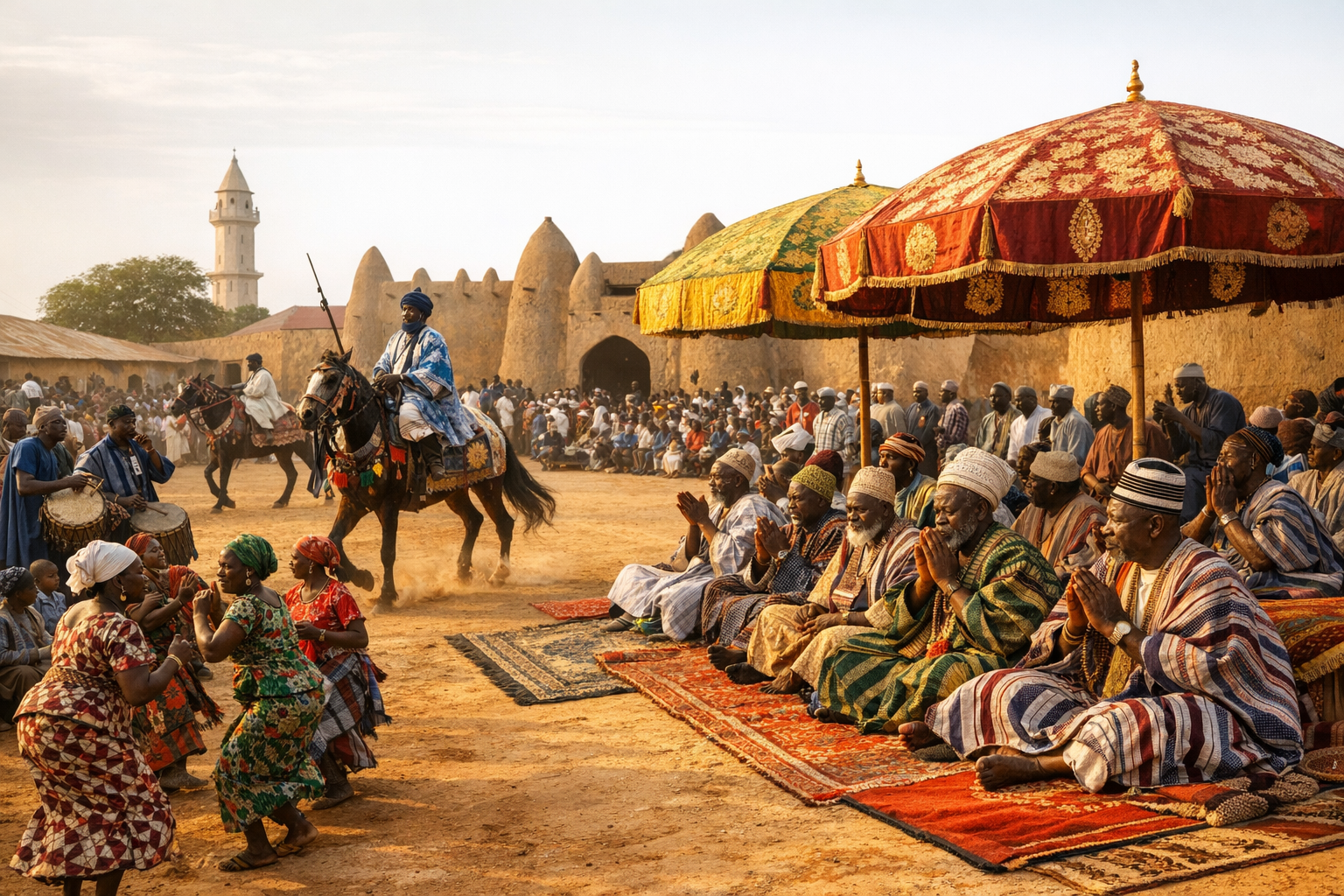
The Damba Festival: Dagbon’s Most Important Celebration
What the Damba Festival is, why its date moves with the Islamic calendar, where it is celebrated including Yendi and Tamale, what actually happens, and how a visitor should behave.
-
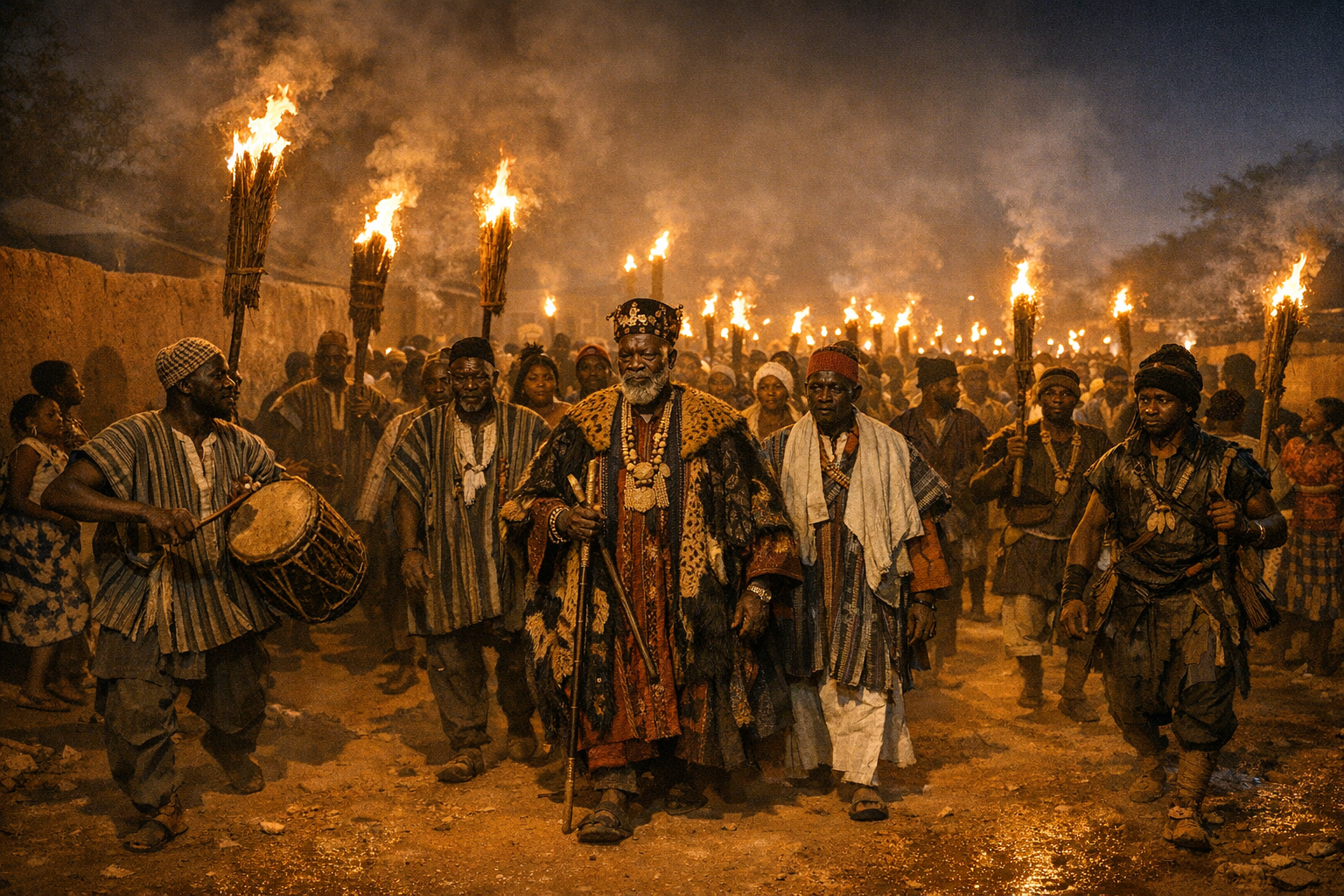
Bugum Chugu: The Fire Festival of Dagbon
The Fire Festival of Dagbon – its place in the lunar calendar, the origin story as told locally, how it is marked, and what it means to the community.
-
A History of Tamale: How the City Became the Capital of the North
How a settlement became the administrative and commercial capital of northern Ghana, from pre-colonial context through the colonial period to the modern city.
-
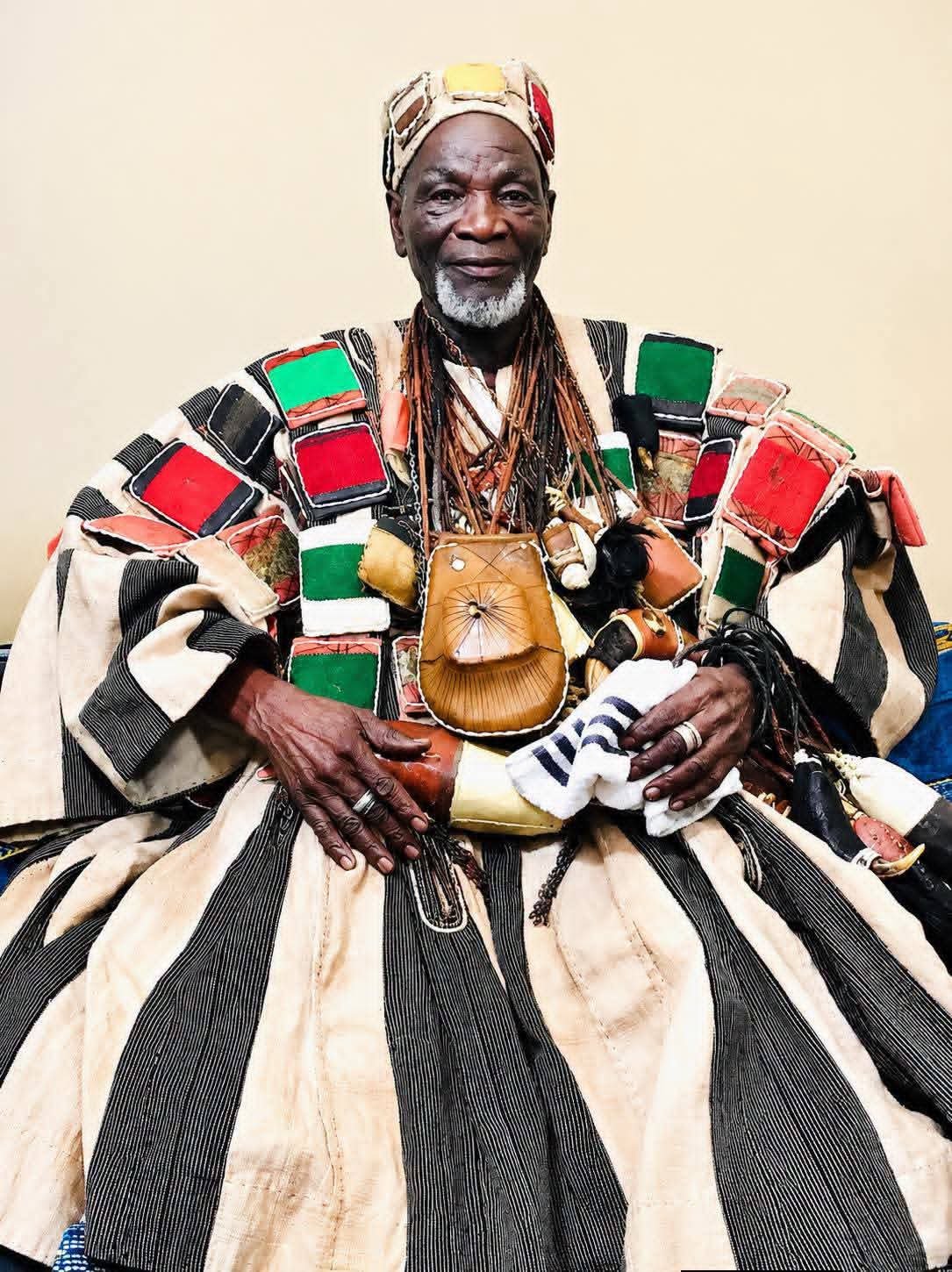
The Yaa Naa and Dagbon Chieftaincy Explained
Who the Yaa Naa is, the significance of Yendi, how the chieftaincy structure works below him, and the role traditional authority plays in Northern Ghana today.
-
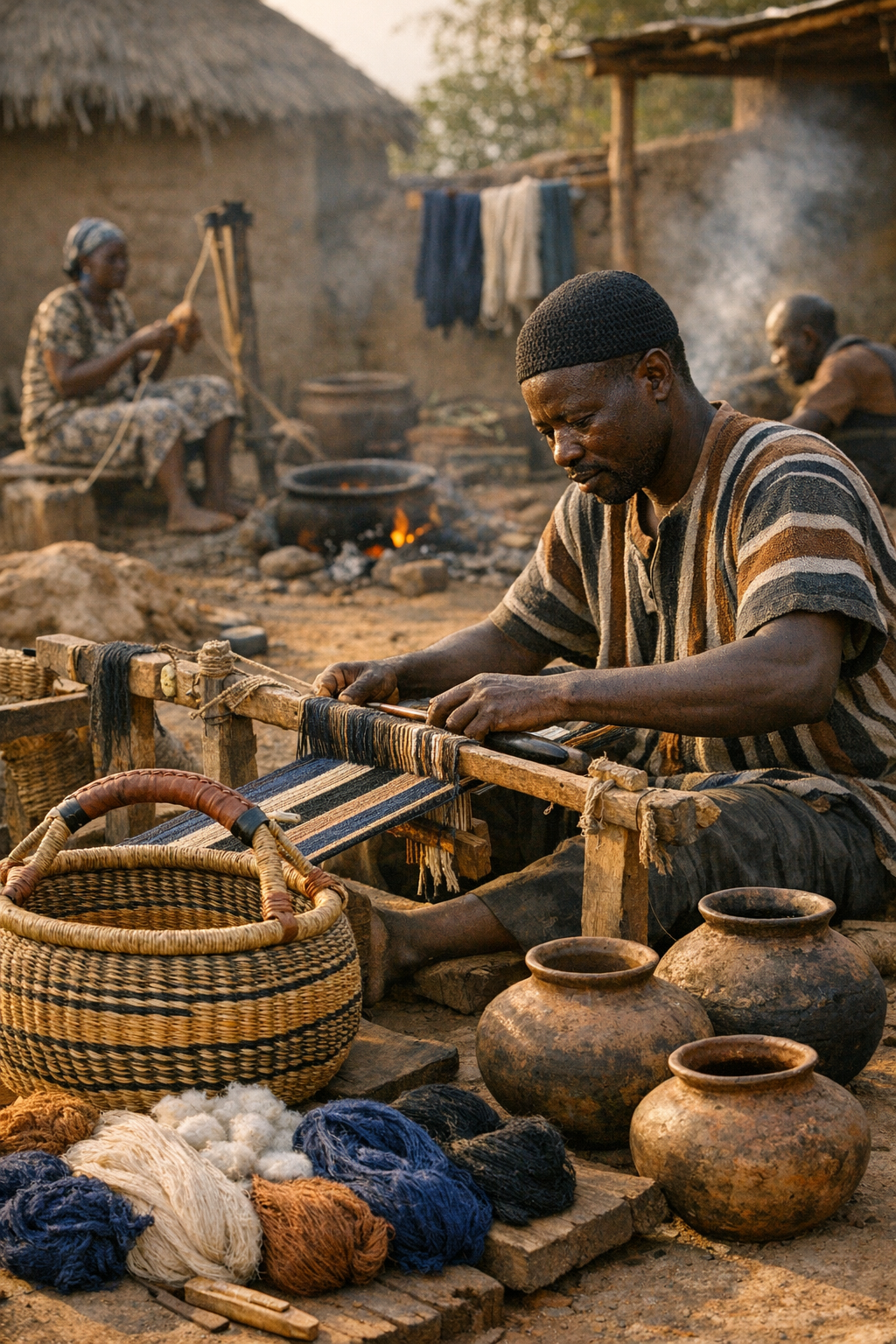
Northern Ghana Crafts and Textiles: Fugu, Baskets and Pottery
The craft traditions of the north – fugu weaving, basket making, pottery, leatherwork and beadwork – the techniques, who practises them, and what a buyer should look for.
-
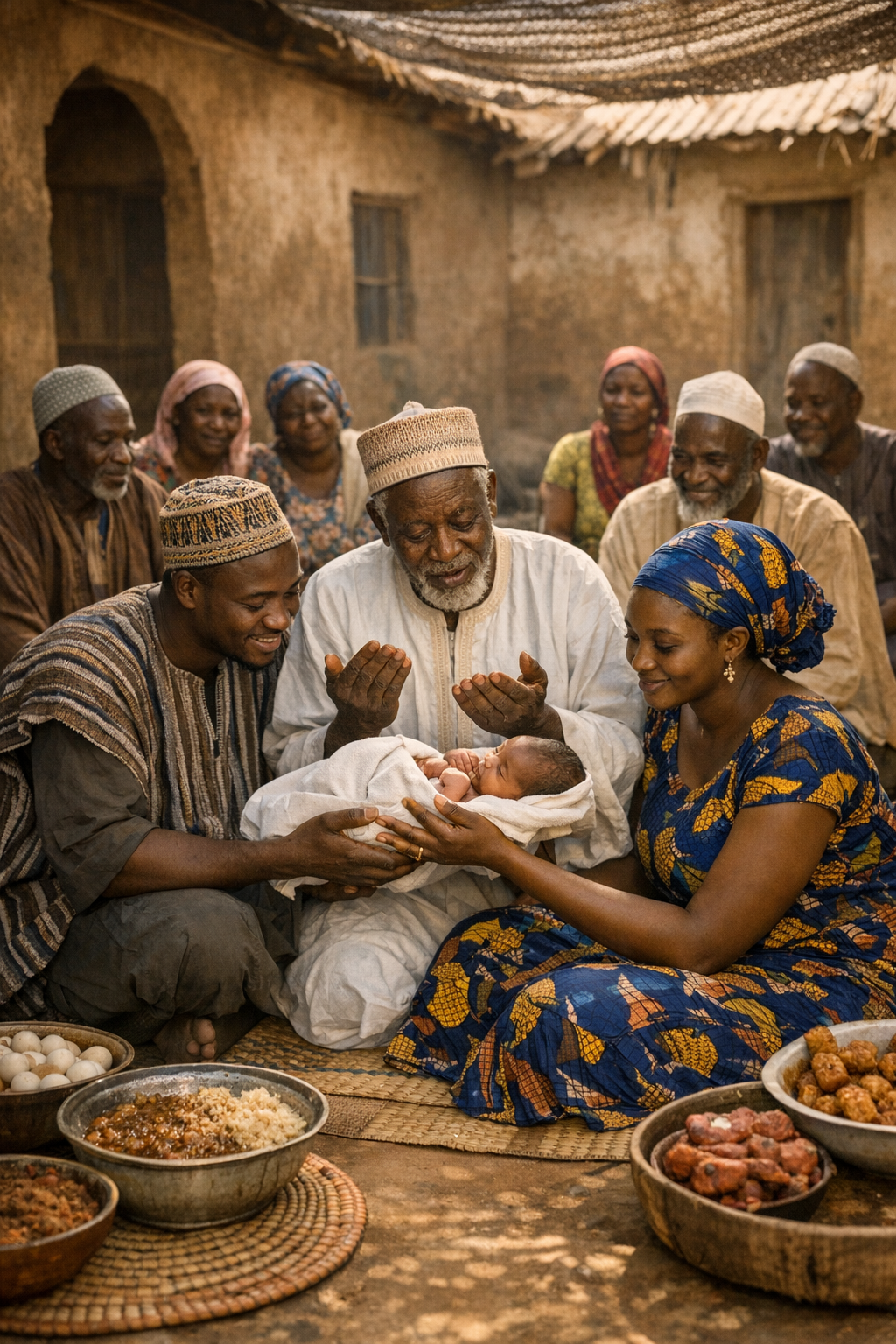
Dagbani Names and Their Meanings: A Guide for Visitors and Newcomers
How naming works in Dagbon culture – the naming ceremony, the structure of Dagbani names, and common name elements, with the honest caveat that meanings are commonly understood rather than fixed.
-
BREAKING: Overlord of Dagbon, Yaa Naa Abukari II, Is Dead
Yaa Naa Mahama Abukari II, Overlord of Dagbon, has died at 87. Full details on his reign, legacy, funeral rites, and Dagbon succession. Yaa Naa Abukari II Dead: Overlord of Dagbon Dies at 87 Tamale and the wider Dagbon Kingdom are in mourning following the death of Yaa Naa Mahama Abukari II, the Overlord of…
-
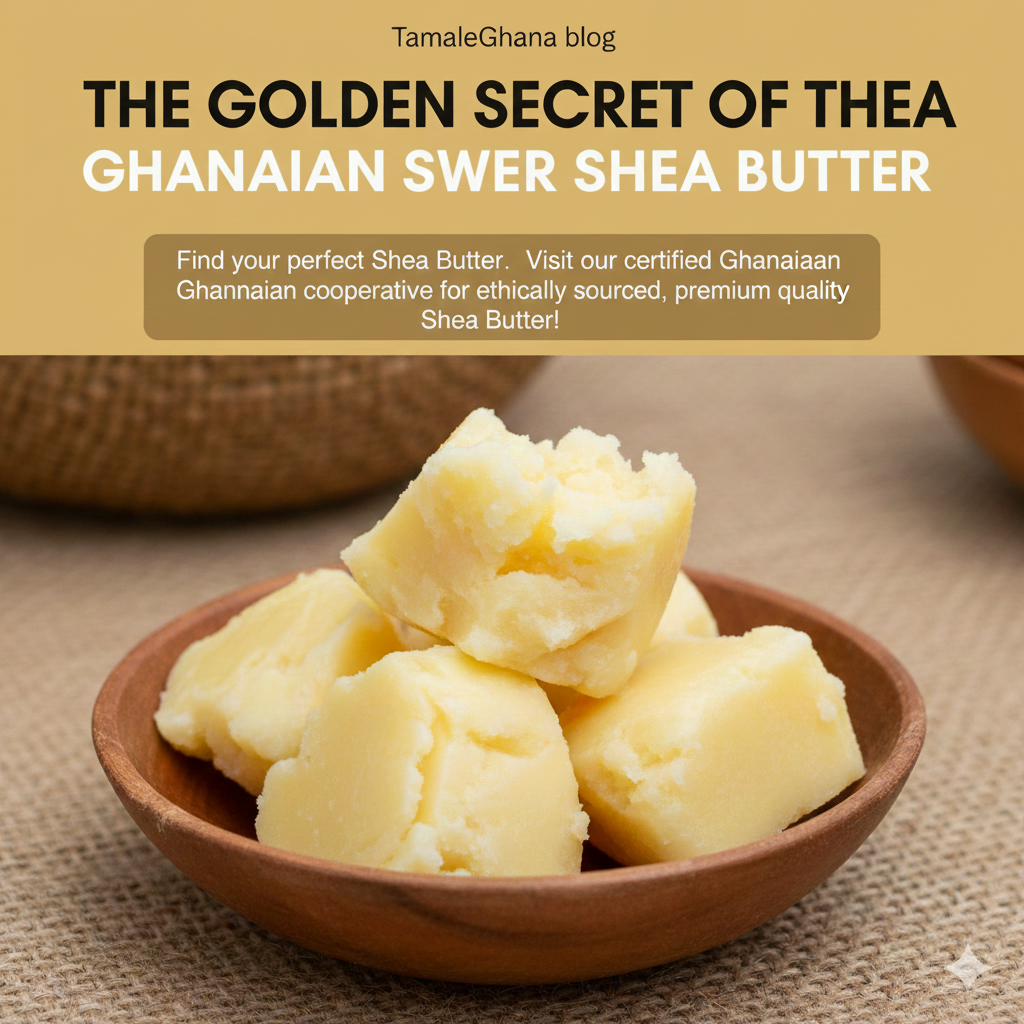
The Golden Secret of Tamale: Why Ghanaian Shea Butter is a Global Treasure
From the bustling markets of Tamale to high-end cosmetic counters worldwide, one natural product stands out: Shea Butter. More than just a moisturizer, this creamy “gold” from Northern Ghana is a cornerstone of daily life, a symbol of women’s empowerment, and a global skincare phenomenon. If you’re visiting Tamale or simply curious about the magic…
-
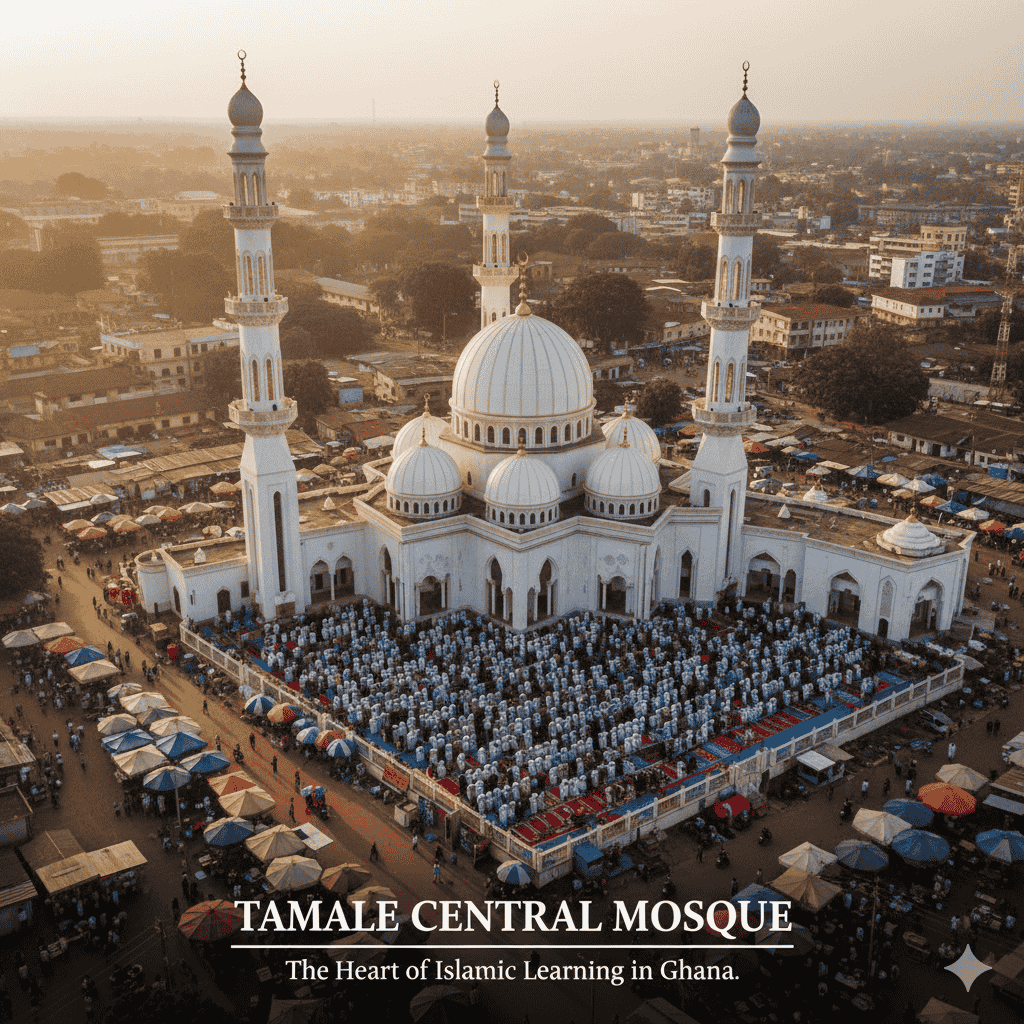
The Spiritual Heart of Tamale: Exploring the Central Mosque and Northern Ghana’s Muslim Communities
Tamale, the vibrant capital of the Northern Region, is widely regarded as the center of Islamic scholarship in Ghana. Dominating the city’s skyline is the iconic Tamale Central Mosque, a beacon of faith, history, and community. For those looking to understand the depth of the “Savannah City,” exploring its religious fabric—from the ancient traditions of…
-
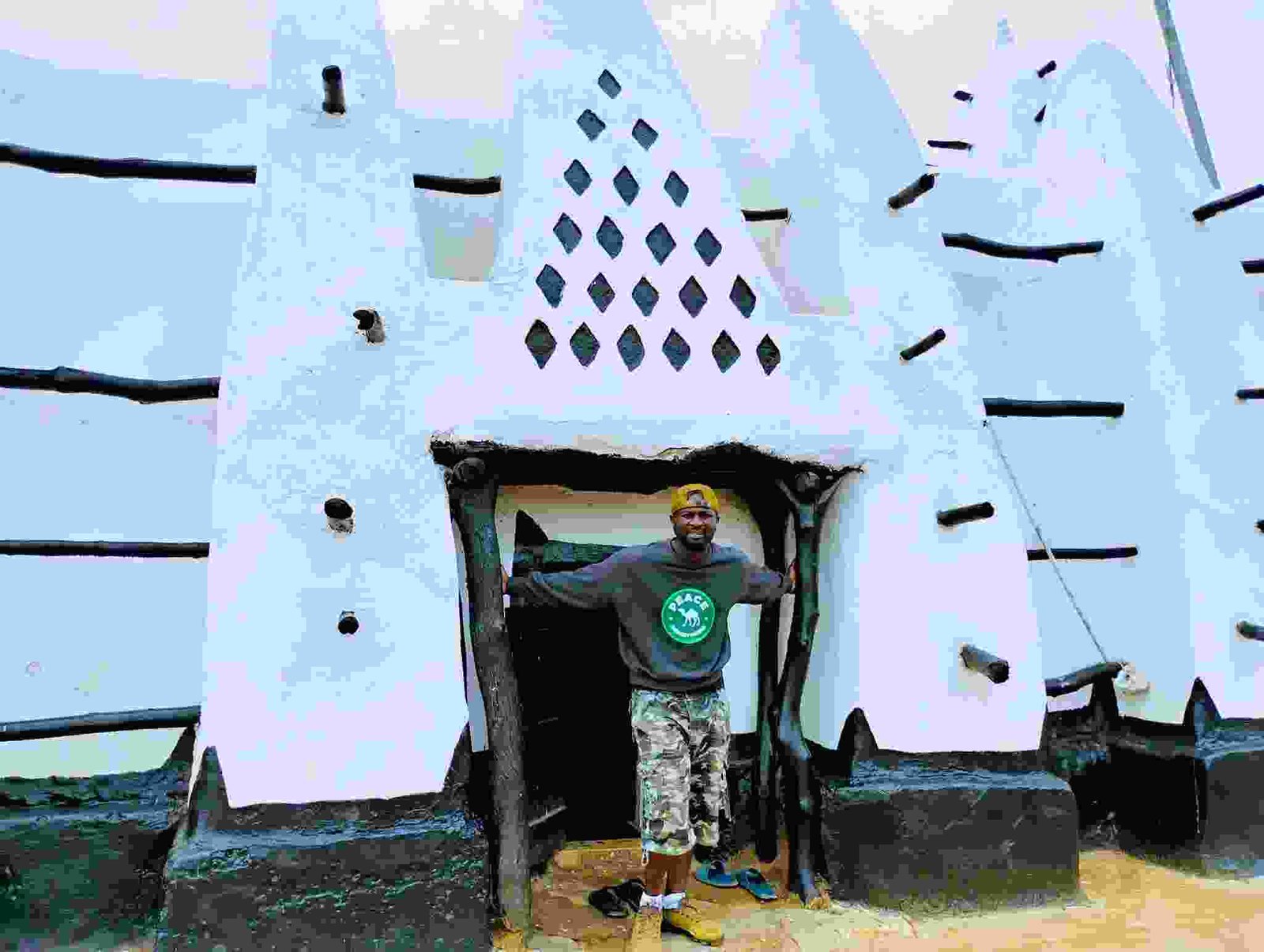
Larabanga Mosque: Ghana’s 600-Year-Old Mecca of West Africa
The Larabanga Mosque is the oldest mosque in Ghana and one of the oldest in West Africa. Its history, the legend of its founding, how it was damaged by a well-meant repair, and how to visit respectfully from Tamale.
-
Exploring Lamashagu: A Cultural Gem in the Tamale Metropolis of Northern Ghana
Understanding Lamashagu: A Historical Overview Lamashagu, a vibrant community located within the Tamale Metropolis of Northern Ghana, boasts a rich historical tapestry that reflects the socio-cultural evolution of the region. The origins of Lamashagu date back several centuries, when it was primarily established as a settlement for early inhabitants who were largely involved in farming…
-
The Pillars of the North: A History of the Dagbon Kingdom
You have tasted its food, witnessed its festivals, and worn its cloth. Now, to truly understand the soul of Northern Ghana and the city of Tamale, you must know the story of the Dagbon Kingdom. This isn’t just history in a book; it’s the living foundation of social order, cultural pride, and identity for the…