Ghana Tamale,
Ghana Tamale: The Complete Guide to the Capital of the North.
Welcome to TamaleGhana.com, your definitive online resource for Ghana’s vibrant northern capital. This comprehensive guide delves into the history, culture, economy, and daily life of Tamale, West Africa’s fastest-growing city.
1. Welcome to TamaleGhana.com: Your Portal to the Northern Capital
Tamale is more than just a city; it’s the pulsating heart of Ghana’s Northern Region. As the third-largest city in the country and the capital of the historic Kingdom of Dagbon, Tamale is a unique blend of deep tradition and rapid modernization.
1.1. Introduction to Tamale: Key Facts & Overview
Tamale (pronounced /təˈmɑːli/) is the administrative, economic, and cultural hub of Northern Ghana. With a population of over 374,000, it’s recognized as one of the fastest-growing urban centers in West Africa.
- Status: Capital of the Northern Region.
- Traditional Kingdom: Dagbon (Ghana’s oldest kingdom).
- Major Ethnic Group: Dagomba people.
- Predominant Religion: Islam (approx. 90.5%).
- Key Industries: Agriculture, education, trade, and services.
1.2. City vs. Food: Explaining the Name “Tamale”
A common point of confusion! The name is a homonym. The city’s name derives from the Dagbani language, often linked to “Tamaale” (house of Chief Tama) or “Tamani” (shea forest). It is entirely unrelated to the Mesoamerican food, which comes from the Nahuatl word tamalli.
2. Deep Dive: History of Tamale, Ghana
2.1. Ancient Roots in the Kingdom of Dagbon
Long before colonialism, the area was part of the powerful Kingdom of Dagbon, consisting of small villages along major cattle trails. This heritage forms the bedrock of the city’s rich cultural identity.
2.2. Colonial Impact and the “Great North Road”
Tamale’s trajectory changed in 1907 when the British moved their administrative headquarters there. The construction of the Great North Road in the 1920s cemented its role as the commercial and transport nucleus of the Northern Territories.
2.3. Modern Era: Capital of the Northern Region
Post-independence, Tamale was declared the capital of the newly created Northern Region in 1960. The 21st century has seen explosive growth, driven by education, agriculture, and its status as a regional hub, though managing urban expansion remains a key challenge.
3. Culture & Society of the Dagomba People
3.1. People, Language, and Demographics
While predominantly Dagomba, Tamale is a melting pot. You’ll find Gonja, Mamprusi, Akan, and Dagaaba peoples, among others. Dagbani is the lingua franca, but English and Hausa are widely spoken.
3.2. Vibrant Festivals: Bugum, Damba, and Eid
The cultural calendar is marked by colorful festivals:
- Bugum Chugu (Fire Festival): Marks the spiritual new year with torchlight processions.
- Damba Festival: Celebrates the birth of the Prophet Muhammad with music, dance, and horseback riding.
- Eid ul-Fitr & Eid al-Adha: Major Islamic holidays observed with grand prayers, feasting, and community charity.
3.3. Traditional Music, Dance, and Arts
Visit the Tamale Cultural Centre to experience traditional dances like Baamaya and Tora. The city is also home to renowned musicians like Fancy Gadam and Maccasio, who blend modern sounds with northern rhythms.
4. Economy & Daily Life in Tamale
4.1. Agricultural Hub and Major Economic Sectors
Agriculture remains the largest employer, with Tamale as a key market for shea nuts, maize, millet, and livestock. The economy is diversifying into:
- Education & Research: Driven by the universities.
- Public Sector: As the regional capital.
- Trade & Transportation: A major nexus for goods moving across West Africa.
4.2. Development, Challenges, and Future Outlook
Rapid growth brings challenges like urban sprawl, youth unemployment, and pressure on infrastructure. However, its strategic location and role as a hub for NGOs and development projects present significant opportunities for sustainable investment.
5. Education Hub: Tamale’s Schools and Universities
Tamale is the undisputed educational heart of Northern Ghana.
5.1. Top Senior High Schools
- Tamale Senior High School (TAMASCO)
- Ghana Senior High School (GHANASCO)
- Tamale Girls Senior High School
- St. Charles Minor Seminary SHS
5.2. Premier Tertiary Institutions
- University for Development Studies (UDS): Pioneering community-based education.
- Tamale Technical University (TaTU): Focused on technical and vocational skills.
- Bagabaga and Tamale Colleges of Education: Training the next generation of teachers.
6. Travel & Transportation Guide
6.1. Flying into Tamale International Airport (TML)
Located 11km from the city center, Tamale International Airport (TML) offers regular domestic flights to Accra and Kumasi via Africa World Airlines and Passion Air, serving as a gateway to northern Ghana and neighboring countries.
6.2. Getting Around: Road Transport and “Mahama-Cambuu”
- Road: Tamale is well-connected by STC and MetroMass bus services to major cities.
- Local Transport: Motorbikes are ubiquitous. Tricycles, locally called “Mahama-Cambuu” or “yellow-yellow,” are a common and affordable taxi alternative. Regular taxis also operate.
7. Geography, Climate, and Environment
7.1. Understanding the Tropical Savanna Climate
Tamale has a distinct tropical savanna climate (Aw):
- Dry Season (Nov – Apr): Hot, dusty, and sunny with Harmattan winds.
- Rainy Season (May – Oct): A single peak period crucial for farming. Temperatures are consistently high, averaging 34°C.
7.2. Environmental Sustainability in Northern Ghana
The region is vulnerable to climate change, experiencing erratic rainfall and droughts. Reforestation projects and sustainable land management are critical for the agricultural-dependent economy.
8. Key Institutions: Health, Sports, and Media
8.1. Tamale Teaching Hospital: Healthcare in the North
The Tamale Teaching Hospital is the third-largest hospital in Ghana and the primary referral center for northern Ghana, also serving as a teaching facility for medical students.
8.2. Sports Fandom and Local Media
- Sports: The city rallies behind Real Tamale United (RTU) football club. The Aliu Mahama Sports Stadium is a major venue.
- Media: A vibrant scene with over a dozen FM radio stations (like Zaa radio/TV, Tamale Radio, Diamond, North Star, Savannah) broadcasting in local languages and English.
9. Notable Figures from Tamale
The city has produced influential Ghanaians across various fields:
- H.E. Dr. Mahamudu Bawumia, Vice President of Ghana.
- Hon. Haruna Iddrisu, prominent Member of Parliament.
- Ibrahim Mahama, leading businessman and visual artist.
- Mubarak Wakaso & Abdul Majeed Waris, professional footballers.
- Fancy Gadam & Maccacio, celebrated musicians.
10. Plan Your Visit: Essential FAQs About Tamale, Ghana
Q1: What is Tamale, Ghana best known for?
A1: Tamale is famous as the vibrant capital of the Northern Region, its rich Dagomba culture, bustling markets, status as an educational hub, and being one of West Africa’s fastest-growing cities.
Q2: What language is spoken in Tamale?
A2: Dagbani is the primary local language. English is widely used in business, education, and government. Hausa is also commonly spoken as a trade language.
Q3: What are the must-see attractions in Tamale?
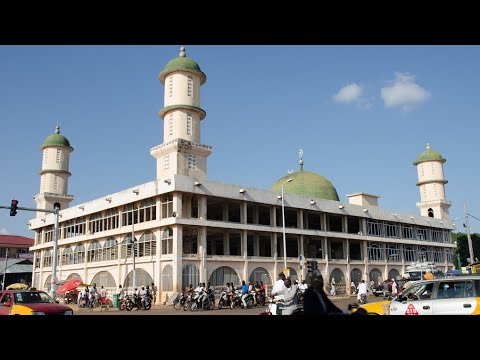
A3: Key sites include the Tamale Central Mosque, the Cultural Centre, the Tamale Market, and the shea butter processing communities on the outskirts. The experience of daily life and festival times is a major attraction.
Q4: What is the best time of year to visit Tamale, Ghana?
A4: The coolest time is during the Harmattan (Dec-Feb), though it can be dusty. For cultural vibrancy, visit during a major festival like Damba (varies, often Aug-Sep). The rainy season (May-Oct) is lush but can be hot with heavy downpours.
Explore more in-depth articles on each topic right here on TamaleGhana.com, your trusted guide to the heartbeat of the North.
About:
Tamale is the capital city of the Northern Region of Ghana, West Africa. It’s known for its traditional mosques and large Central Mosque. The Centre for National Culture sells handicrafts and stages music and dance performances. The Central Market has goods like fabric and fruit. East of Tamale are local kraal buildings with conical straw roofs. To the west, Mole National Park is home to elephants and leopards.
Area: 750 km²
District: Tamale Metropolitan District
Established: –
Region: Northern Region