
Burkina Faso,
Burkina Faso: Your Complete Guide from Tamale, Ghana
Tamale sits just 250 kilometers from the Burkina Faso border, making it the natural gateway between Ghana and its northern neighbor. Whether you’re a trader, traveler, student, or entrepreneur, understanding the Tamale-Burkina Faso connection opens doors to commerce, culture, and cross-border opportunities that define Northern Ghana’s economic and social landscape.
The Tamale-Burkina Faso Connection: More Than Just Proximity
The relationship between Tamale and Burkina Faso runs deeper than geography. Centuries of trade, shared ethnic communities, family ties, and economic interdependence have woven the two regions into a single cultural and commercial fabric. Dagbani speakers in Tamale share linguistic and cultural roots with communities across the border. The cowrie shells that once served as currency traveled these routes. Today, trucks loaded with goods, buses carrying passengers, and mobile money transfers maintain connections that colonial borders never truly severed.
For anyone based in Tamale, Burkina Faso isn’t a distant foreign country—it’s an extension of the regional market, a source of business opportunities, and often, a place where family and friends reside.
Understanding Burkina Faso: Essential Background
Burkina Faso, “the land of upright people,” is a landlocked Sahelian nation of approximately 22 million people. Ouagadougou, the capital, pulses with over 2.5 million residents and serves as West Africa’s cultural and artistic hub. Bobo-Dioulasso, the second city, maintains its reputation as a commercial center with distinctive Sudanese architecture and vibrant markets.
Current Leadership
Burkina Faso’s political landscape has undergone significant changes in recent years. The country is currently led by Captain Ibrahim Traoré, who came to power in September 2022. The transitional government has focused on addressing security challenges and national sovereignty issues. For travelers and businesses operating from Tamale, it’s important to stay informed about the evolving political situation, as it can impact border policies, trade regulations, and travel advisories.
Economy and Daily Life
The country’s economy relies heavily on gold mining, cotton production, and livestock. Agriculture employs the majority of the population despite challenging climate conditions. French remains the official language, though Moore, Dioula, and Fulfulde dominate daily conversation. The CFA franc (XOF) is the official currency, though mobile money platforms have transformed daily transactions.
Getting to Burkina Faso from Tamale
Border Crossings
The primary border crossing from Tamale is at Paga (Ghana) / Dakola (Burkina Faso), approximately 160 kilometers north of Tamale. This busy crossing handles passenger vehicles, commercial trucks, and foot traffic daily. Border hours typically run from 6:00 AM to 6:00 PM, though this can vary.
The Hamile crossing to the west connects Ghana’s Upper West Region to southwestern Burkina Faso and serves as an alternative route, particularly for travelers heading to Bobo-Dioulasso.
Transportation Options
By Bus: Several transport companies operate regular Tamale-Ouagadougou services. Intercity STC, Metro Mass Transit, and various private operators run direct routes, with journey times of 8-12 hours depending on border delays and road conditions. Buses typically depart early morning from Tamale Central Station. Expect to pay between GHS 150-250 for a one-way ticket.
By Private Vehicle: Driving from Tamale to Ouagadougou takes approximately 6-8 hours in good conditions. The route follows the Tamale-Bolgatanga road, then continues north through Paga into Burkina Faso. Road quality varies—paved in Ghana, mixed in Burkina Faso. Ensure your vehicle documentation, insurance, and international driving permit are in order.
By Shared Taxi: Bush taxis operate from Tamale to the border and onward to Burkinabe cities. More flexible than buses but less comfortable for long journeys, these serve as the primary transport for many cross-border traders and locals.
By Air: For those seeking faster options, Tamale International Airport doesn’t currently offer direct flights to Ouagadougou, but connections through Accra or Kumasi are possible, though less common and more expensive than overland travel.
Entry Requirements and Documentation
Visa Requirements
For Ghanaians: ECOWAS citizens, including Ghanaians, can enter Burkina Faso without a visa for stays up to 90 days. You’ll need a valid passport or ECOWAS travel certificate.
For Other Nationals: Non-ECOWAS citizens typically require visas, which can be obtained from the Burkina Faso Embassy in Accra. Processing times vary, so apply well in advance of travel. Some nationalities can obtain visas on arrival at Ouagadougou airport, but overland border crossings generally require pre-arranged visas.
Essential Documents
Carry your passport with at least six months validity, vaccination certificates (yellow fever is mandatory, and proof is checked at borders), vehicle documents if driving (registration, insurance, international driving permit), and sufficient cash in CFA francs or Ghanaian cedis for border fees and immediate expenses.
Border Formalities
Expect thorough document checks at Paga/Dakola. Border officials on both sides will examine passports, vehicle documents, and vaccination certificates. Patience is essential—processing times vary depending on traffic volume, time of day, and staffing levels. Small “facilitation fees” sometimes smooth the process, though officially, crossing should be free for ECOWAS citizens.
Currency and Money Matters
Understanding the CFA Franc
Burkina Faso uses the West African CFA franc (XOF), which is pegged to the Euro. As of 2025, the exchange rate hovers around 600-650 XOF to 1 USD, and approximately 100 XOF to 1 GHS, though rates fluctuate.
Exchanging Money
Currency exchange options exist at the Paga border, though rates may be less favorable than in Ouagadougou. Banks in Tamale generally don’t stock CFA francs, so most travelers exchange at the border or in Burkina Faso itself. Bring clean, undamaged USD or GHS notes, as damaged currency may be rejected.
Mobile Money and Banking
Mobile money services like Orange Money and Moov Money dominate Burkina Faso’s financial landscape. These services allow cross-border transfers, though fees vary. Some Ghanaian mobile money services operate in Burkina Faso, but compatibility isn’t universal. Carrying cash remains essential, particularly outside major cities.
ATMs exist in Ouagadougou and Bobo-Dioulasso but can be unreliable. International cards work at some locations, though transaction fees are substantial. Don’t rely solely on card payments.
Trade and Business Opportunities
What Moves from Ghana to Burkina Faso
Burkina Faso’s landlocked status makes Ghana its primary access point to the Atlantic Ocean and global shipping. Tamale-based traders supply Burkinabe markets with imported goods arriving through Tema port—electronics, textiles, vehicle parts, and household goods flow north daily.
Agricultural products from Southern Ghana, including cocoa, palm oil, plantains, and processed foods, find ready markets in Burkina Faso. Building materials, pharmaceuticals, and manufactured goods also move in significant volumes.
What Returns to Ghana
Gold from Burkina Faso’s mines occasionally moves through informal channels, though official channels dominate. Livestock, particularly cattle, sheep, and goats, travel south from Burkina Faso to feed Ghana’s protein demand. Onions, tomatoes, and other vegetables during Ghana’s off-seasons supplement local supply. Handicrafts, including bronze work, woven goods, and traditional art, appeal to Ghana’s tourist and expatriate markets.
Setting Up Cross-Border Business
Successful cross-border traders understand regulations on both sides, maintain relationships with customs officials and agents, navigate informal networks that speed goods movement, and manage the logistics of moving products across borders with varying standards and enforcement.
The Ghana-Burkina Faso trade corridor operates on relationships as much as regulations. Tamale’s position as the final major Ghanaian city before the border makes it the natural base for traders working this route. Warehousing, transport coordination, and market intelligence concentrated in Tamale serve the corridor’s needs.
Cultural Insights and Travel Tips
Language
French dominates official interactions, business, and urban settings in Burkina Faso. Learning basic French phrases dramatically improves travel experiences and business negotiations. In northern Burkina Faso, Moore and Fulfulde are widely spoken, and some Dagbani speakers will find linguistic common ground with related languages.
Cultural Norms
Burkinabe culture emphasizes respect, patience, and proper greetings. Take time for extended greetings before business discussions. Dress modestly, particularly outside major cities. Conservative attire is appreciated, especially in more traditional areas.
Photography requires sensitivity—always ask permission before photographing people or sensitive locations like military installations or government buildings. Some communities have cultural restrictions on photography.
Safety Considerations
Security situations change, particularly in northern and eastern Burkina Faso where militant activity has increased in recent years. Before traveling, check current advisories from your country’s foreign ministry. Stick to major routes and cities. Avoid travel after dark on rural roads. Register with your embassy or high commission if staying extended periods.
Petty theft occurs in crowded markets and transport stations. Keep valuables secure and stay aware of surroundings. Most Burkinabe people are welcoming and helpful to visitors, but reasonable precautions apply as in any unfamiliar environment.
Health Precautions
Yellow fever vaccination is mandatory and checked at borders. Malaria is endemic—take prophylaxis and use mosquito prevention measures. Water quality varies—drink bottled or purified water. Healthcare facilities in Ouagadougou are adequate for basic needs, but serious medical issues may require evacuation to Accra or further.
Travel insurance covering medical evacuation is strongly recommended for all visitors to Burkina Faso.
Top Destinations in Burkina Faso
Ouagadougou
The capital city offers FESPACO (Pan-African Film Festival, biennial), the Grand Market for textiles, crafts, and daily goods, the National Museum showcasing Burkina Faso’s cultural heritage, vibrant nightlife with live music venues featuring African jazz and traditional music, and modern amenities including hotels, restaurants, and shopping centers.
Ouagadougou’s street life, music scene, and artistic energy make it West Africa’s cultural capital. For Tamale-based visitors, it represents a manageable international experience—foreign but not overwhelmingly different, accessible but distinct enough to feel like genuine travel.
Bobo-Dioulasso
The country’s second city maintains a more relaxed, traditional atmosphere than Ouagadougou. The Grand Mosque showcases distinctive Sudanese architectural style. The old quarter (Kibidwe) preserves traditional architecture and crafts. Weekly markets bring in traders and livestock from surrounding regions. Music venues feature traditional balafon and other West African instruments.
Bobo-Dioulasso feels more connected to the Sahel’s traditional rhythms than the capital’s modern energy, making it appealing for travelers seeking authentic cultural experiences.
Banfora and the Cascades Region
In southwestern Burkina Faso, Banfora serves as a gateway to the Cascades de Karfiguéla (waterfalls, particularly impressive during rainy season), the Domes de Fabédougou (unusual rock formations), Lake Tengrela (home to hippos, viewable from safe distances), and sugar cane plantations and processing facilities.
This region’s natural beauty and relatively better security situation make it popular with travelers seeking outdoor experiences.
Sindou Peaks
Dramatic rock formations create a landscape unlike anywhere else in West Africa. The peaks, sacred to local communities, can be explored with local guides. The area offers hiking, cultural interactions, and stunning photography opportunities.
Festivals and Cultural Events
FESPACO
The Panafrican Film and Television Festival of Ouagadougou, held every odd-numbered year (2025, 2027, etc.), brings filmmakers, actors, and cinema enthusiasts from across Africa and beyond. It’s Africa’s largest film festival and transforms Ouagadougou into a celebration of African cinema and creativity.
SIAO
The International Arts and Crafts Fair showcases craftspeople from across Africa. Held every two years (even-numbered years), it’s a major event for anyone interested in African art, textiles, sculpture, and traditional crafts.
Local Festivals
Traditional festivals tied to agricultural cycles, royal ceremonies, and Islamic celebrations occur throughout the year. These offer authentic cultural experiences but require local knowledge to time visits appropriately.
Practical Information for Tamale-Based Travelers
Communication
International roaming from Ghanaian networks may work but is expensive. Purchase a local SIM card from Orange, Moov, or Telecel Burkina in Ouagadougou for affordable local calling and data. Coverage is good in cities, spotty in rural areas.
Accommodation
Ouagadougou offers everything from international chain hotels to budget guesthouses. Booking ahead during FESPACO is essential, as the city fills completely. Other times, walk-in availability is common. Budget GHS 200-800 per night depending on comfort level expectations.
Bobo-Dioulasso and smaller cities offer fewer options but adequate lodging exists. In rural areas, accommodation can be extremely basic or non-existent, requiring careful planning.
Food and Dining
Burkinabe cuisine centers on tô (millet or sorghum paste) served with sauces made from baobab leaves, okra, or peanuts. Riz gras (rice cooked in tomato sauce with meat and vegetables) is popular. Street food includes brochettes (kebabs), bean cakes, and fried plantains.
Ouagadougou’s restaurant scene includes French, Lebanese, Chinese, and other international cuisines alongside local options. Food safety standards are generally good in established restaurants, more variable at street stalls.
For Tamale residents, the food won’t feel completely foreign—many flavors and ingredients are shared across the region, though preparation styles differ.
Shopping
Markets are the heart of Burkinabe commerce. The Grand Market in Ouagadougou offers everything imaginable. Specialized craft markets showcase bronze work (particularly from the Royal Court craftspeople), woven baskets and mats, traditional textiles including Faso Dan Fani (Burkina Faso’s traditional woven cloth), and leather goods.
Bargaining is expected in markets. Start at about 50-60% of the asking price and negotiate from there. Fixed-price stores exist but are less common and more expensive.
Building Long-Term Connections
For Tamale-based individuals and businesses, Burkina Faso isn’t just a destination—it’s part of the regional ecosystem. Building sustainable cross-border relationships requires understanding that business relationships develop slowly and are built on personal trust, formal contracts matter less than reputation and relationships, patience with different administrative systems and timelines pays off, and regular presence and consistency build credibility.
Many successful Tamale-based traders maintain permanent representatives or partners in Ouagadougou or Bobo-Dioulasso. These on-ground connections navigate local regulations, identify opportunities, and manage logistics that would be impossible to handle from Tamale alone.
Resources and Useful Contacts
Embassies and Consulates
Burkina Faso Embassy in Ghana: Located in Accra, provides visa services and consular assistance. Contact before traveling for current requirements and processing times.
Ghana Embassy in Burkina Faso: Located in Ouagadougou, offers consular services to Ghanaian citizens. Register with them if staying extended periods.
Transport Companies
Major bus lines operating Tamale-Ouagadougou routes include Intercity STC Ghana, Metro Mass Transit, and various private operators. Check current schedules at Tamale Central Station, as timetables change seasonally.
Online Resources
Travel advisories from Ghana’s Ministry of Foreign Affairs and International Trade and your country’s foreign ministry provide current security information. The Burkina Faso tourism board website offers destination information, though not always current. Expat forums and travel blogs provide recent on-ground perspectives from other travelers.
Looking Ahead
The Tamale-Burkina Faso corridor represents one of West Africa’s most important cross-border relationships. As both regions develop—new roads, expanding mobile connectivity, growing cities, increasing trade volumes—the connections will only deepen.
For Tamale residents, understanding Burkina Faso isn’t exotic knowledge about a distant place. It’s practical intelligence about a neighbor, a market, and a cultural space that directly impacts life in Northern Ghana. Whether you’re crossing the border for business, family, adventure, or curiosity, you’re participating in relationships that have defined this region for centuries.
The distance from Tamale to Ouagadougou is just a few hours by bus, but the connections—economic, cultural, and human—are immeasurable.
Planning a trip to Burkina Faso from Tamale? Have insights to share about cross-border trade or travel? Connect with TamaleGhana.com to share your experiences and help others navigate this important regional relationship.
About:
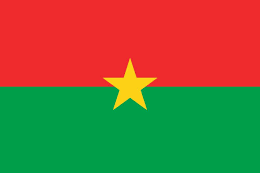
Burkina Faso is a landlocked country in West Africa, bordered by Mali to the northwest, Niger to the northeast, Benin to the southeast, Togo and Ghana to the south, and Ivory Coast to the southwest. It covers an area of 274,223 km². In 2024, the country had an estimated population of approximately 23,286,000.
Capital: Ouagadougou
Currency: West African CFA franc
Official languages: Mòoré, Fula, Dyula language, Bissa language
Population: 23.55 million (2024) World Bank
Gross domestic product: 23.25 billion USD (2024) World Bank
Continent: Africa
Dialing code: +226
”Source: Wikipedia