
Benin,
Benin: Your Complete Guide from Tamale, Ghana
Benin, Ghana’s neighbor to the east beyond Togo, represents one of West Africa’s most stable and culturally rich nations. For Tamale-based travelers, entrepreneurs, and traders, Benin offers accessible Francophone experiences, the cradle of Vodun (Voodoo) culture, dynamic port facilities in Cotonou, and growing commercial opportunities in a country known for political stability and cultural heritage. The narrow geography connecting coastal sophistication to northern Sahelian landscapes creates diverse opportunities within a compact, manageable territory.
The Tamale-Benin Connection: Trading Routes and Cultural Bridges
While Benin doesn’t directly border Ghana, the connections run deep through regional trade networks, shared ethnic communities (particularly Ewe groups spanning Ghana, Togo, and Benin), and economic interdependence. The Port of Cotonou serves as a critical gateway for landlocked Niger and northern trade routes, creating commercial relationships that extend to Northern Ghana.
Historically, trade routes linking Northern Ghana to Beninese markets moved kola nuts, livestock, and manufactured goods. Today, Tamale-based businesses engage with Benin through re-export trade via Cotonou’s port, agricultural product exchanges, and increasingly, service sector connections as both regions develop their economies.
Understanding Benin: Essential Background
The Republic of Benin is a narrow country of approximately 13 million people, stretching 700 kilometers from the Atlantic coast northward to the Niger River, but only 125 kilometers wide at its narrowest point. This geography creates remarkable accessibility—the entire country feels manageable, with major cities reachable within hours.
Cotonou, the economic capital and largest city with over 2 million residents, is West Africa’s fifth-largest port and Benin’s commercial heart. The city pulses with commerce, culture, and the organized chaos typical of West African urban centers. Porto-Novo serves as the constitutional capital, though Cotonou dominates economically and culturally. Parakou in the north serves as a major trading hub connecting coastal Benin to Niger and northern regions.
Benin’s geography includes southern coastal zones with lagoons and beaches, central plateau regions with agricultural productivity, and northern savannah landscapes similar to Northern Ghana. The country’s compact size makes it exceptionally accessible for travelers—you can experience beach, culture, history, and northern landscapes in a single trip.
Current Leadership
Benin is currently led by President Patrice Talon, who has been in office since 2016 and was re-elected in 2021. His administration has focused on economic reforms, infrastructure development, and digitalization of government services. Benin is widely regarded as one of West Africa’s most politically stable democracies, with peaceful transitions of power and relatively transparent governance.
For Tamale-based entrepreneurs and travelers, Benin’s stability creates a predictable business environment and safe travel conditions. The government actively encourages investment and has implemented reforms to improve ease of doing business, making Benin increasingly attractive for regional commerce.
Economy and Daily Life
Benin’s economy centers on the Port of Cotonou serving as a regional transshipment hub (particularly for Niger and northern Nigeria), cotton production and export (Benin is a major African cotton producer), palm oil and other agricultural products, re-export trade (significant informal commerce between Benin and Nigeria), and growing services sector including banking, telecommunications, and tourism.
French is the official language and dominates business, government, and urban life. However, Fon and Yoruba are widely spoken in southern regions, while Bariba, Dendi, and Fulfulde are common in the north. The West African CFA franc (XOF) is the official currency.
Beninese society combines French colonial influence with deep traditional roots, most famously as the historical birthplace of Vodun (Voodoo) religion. The country successfully balances modernity and tradition, creating a unique cultural atmosphere that welcomes visitors while maintaining authentic traditions.
Getting to Benin from Tamale
Route Options
Travel from Tamale to Benin involves transiting through Ghana’s Volta Region and Togo. The journey is straightforward and safe compared to routes to some other regional neighbors.
Route 1: Via Accra, Togo, and the Coastal Border (Most Common)
- Tamale to Accra: 620 kilometers (8-10 hours)
- Accra to Aflao (Ghana)/Lomé (Togo) border: 190 kilometers (2.5-3 hours)
- Lomé to Cotonou via Togo-Benin border: 155 kilometers (2-3 hours)
- Total distance: Approximately 965 kilometers
- Total travel time: 12-16 hours depending on border crossings and stops
Route 2: Via Ho and Togo
- Tamale to Ho: 450 kilometers (7-8 hours)
- Ho to Aflao border
- Aflao to Lomé to Cotonou
- Similar total time to Route 1
Route 3: Via Northern Crossings
- Less common but possible through northern Togo into northern Benin
- Serves travelers heading to Parakou or northern Beninese destinations
- Road conditions vary, making this less predictable
Transportation Options
By Bus: Direct Tamale-Cotonou bus services are rare but exist through specialized operators. More commonly, travelers take:
- Tamale to Accra services
- Connect to Accra-Lomé buses
- Then Lomé-Cotonou services
Alternatively, some operators offer Tamale-Lomé direct services with Lomé-Cotonou connections. Total costs range from GHS 350-550 depending on comfort levels and whether using direct or connecting services.
Major operators on the Accra-Lomé-Cotonou corridor include ABC Transport, OA Transport, Benin-Ghana Transport Union, and others.
By Private Vehicle: Driving from Tamale to Cotonou takes 13-17 hours in good conditions, typically requiring an overnight stop in Accra or Lomé. The route follows well-maintained highways through Ghana and Togo, with good coastal roads between Lomé and Cotonou.
Ensure comprehensive insurance covering Togo and Benin, international driving permit, all vehicle documentation, and understanding of different traffic regulations in three countries.
By Air: The most time-efficient option:
- Tamale to Accra (1 hour)
- Accra to Cotonou (direct flights available, approximately 1.5 hours)
- Total journey time: 3-5 hours including connections
- Costs: GHS 2,500-5,000+ depending on booking timing
Africa World Airlines and Air Côte d’Ivoire offer regional services. Ethiopian Airlines and other carriers provide connections through their hubs.
For business travelers, air travel often justifies costs through time savings. For traders moving goods or budget travelers, overland remains practical and safe.
Combination Approaches: Some travelers fly Tamale-Accra, then take a bus Accra-Cotonou, balancing time and cost effectively.
Border Crossings
Togo-Benin Border at Hillacondji/Sanvee-Condji
This is the primary border crossing between Togo and Benin on the coastal route. The crossing is busy, handling enormous passenger and commercial traffic daily.
Border hours: Officially 6:00 AM to 10:00 PM, though some flexibility exists.
The border atmosphere is organized chaos—money changers, transport touts, hawkers, and travelers create constant activity. The crossing is safe but requires vigilance for belongings and awareness of surroundings.
Secondary Crossings
Several northern crossings exist between Togo and Benin, serving regional trade and local communities. These are less developed than the coastal crossing but functional for specific routing needs.
Entry Requirements and Documentation
Visa Requirements
For Ghanaians: ECOWAS citizens, including Ghanaians, can enter Benin without a visa for stays up to 90 days. A valid passport or ECOWAS travel certificate is required. This makes Benin exceptionally accessible for Ghanaian travelers from Tamale.
For Other Nationals: Non-ECOWAS citizens typically require visas. Benin offers e-visas through their online platform, usually processed within 2-5 business days. Traditional visas can be obtained from Beninese diplomatic missions. The process is generally straightforward and less bureaucratic than some neighboring countries.
Essential Documents
- Valid passport with at least six months remaining validity
- Vaccination certificates (yellow fever is mandatory and checked at borders)
- Vehicle documents if driving (registration, insurance covering Benin, international driving permit)
- Sufficient funds in CFA francs or readily exchangeable currency
Border Formalities
Crossing from Togo into Benin involves:
Togo Exit: Passport control (exit stamp), customs if carrying goods.
Benin Entry: Passport control (entry stamp, immigration forms), health screening (yellow fever certificate verification), possible baggage inspection.
ECOWAS citizens generally experience smooth processing. Expect 30 minutes to 2 hours depending on traffic volume and thoroughness of checks.
Money changers operate at the border, exchanging various currencies for CFA francs. Rates are reasonable though slightly less favorable than banks. Count money carefully.
Currency and Money Matters
The CFA Franc
Benin uses the West African CFA franc (XOF), shared with seven other West African nations and pegged to the Euro. Exchange rates hover around 600-650 XOF per 1 USD, and approximately 100 XOF per 1 GHS.
Exchanging Money
Border money changers: Convenient for initial CFA franc needs, rates slightly unfavorable.
Banks in Cotonou and major cities: Best rates, secure transactions. Major banks include Bank of Africa, Ecobank, BIBE, and others. Bring identification.
Hotels: Convenient but expensive rates, typically for guest emergencies.
Official exchange bureaus: Fair rates, secure transactions, found in cities.
Bring clean, undamaged currency notes. US dollars and Euros receive best rates. Ghana cedis are accepted but at less favorable terms.
Mobile Money and Banking
Mobile money services including MTN Mobile Money and Moov Money are widespread in Benin, enabling payments, transfers, and bill payments. Some interoperability with Togolese and other regional services exists, though cross-border transfers can involve fees and complications.
ATMs are common in Cotonou, Parakou, and major towns. International cards (Visa and Mastercard) work at most ATMs. Transaction fees are substantial—expect the equivalent of GHS 30-50 per withdrawal plus your bank’s international fees.
Credit cards are accepted at upscale hotels, restaurants, and businesses in Cotonou, less reliably elsewhere. Carry sufficient cash for daily expenses.
Trade and Business Opportunities
What Moves from Ghana to Benin
Consumer goods: Electronics, textiles, household items imported through Tema port, manufactured goods from Ghana’s industrial sector, building materials, pharmaceuticals and medical supplies.
Agricultural products: Cocoa products, palm oil, processed foods, fresh produce during specific seasons.
Services: Ghanaian professionals work in Benin’s growing economy, educational services (some Beninese students attend Ghanaian universities), technical expertise in various sectors.
What Comes from Benin to Ghana
Agricultural products: Cashews (Benin is a significant producer), shea butter, palm oil, pineapples and other tropical fruits, processed agricultural products.
Re-export goods: Items entering through Port of Cotonou destined for Ghanaian markets, goods from Nigeria entering Ghana via Benin.
Manufactured goods: Textiles and clothing from Beninese manufacturers, processed foods and beverages, consumer products.
Services: Beninese banking sector expanding regionally, logistics services through Port of Cotonou, telecommunications operations.
Port of Cotonou: Strategic Gateway
The Port of Cotonou serves as West Africa’s third-busiest port and a critical gateway for landlocked Niger. Its strategic importance creates opportunities for Tamale-based businesses:
Advantages: Deep-water port accommodating large vessels, modern container handling facilities, competitive pricing for regional transshipment, established Niger corridor creating infrastructure for broader regional access, increasingly efficient customs procedures.
For Northern Ghana traders: Using Cotonou for certain imports can offer advantages over Tema, particularly for goods originating from specific markets or when Tema faces congestion. The port’s specialization in serving landlocked nations creates expertise in land-transport logistics.
Business Environment
Benin has implemented significant business reforms, improving its ease-of-doing-business rankings:
Advantages: Political stability (among West Africa’s most stable democracies), growing consumer market (13 million people with rising purchasing power), strategic location (gateway to Niger, northern Nigeria access), improving infrastructure (roads, telecommunications, electricity), increasingly digitized government services, open investment policies.
Challenges: French language essential (English is rare outside specific international sectors), bureaucracy exists though improving, corruption at lower levels of administration, infrastructure gaps remain despite improvements, competition from Nigerian and other regional economies.
Success requires local partnerships, French language capability, patience with administrative processes, and cultural sensitivity.
Cultural Insights and Travel Tips
Language
French is essential for navigating Benin beyond basic tourist interactions. While some Cotonou business professionals and tourism sector workers speak basic English, French dominates all aspects of life.
Fon is widely spoken in southern Benin, Yoruba in southeastern areas (reflecting Nigerian proximity), and various languages in the north. Learning basic French phrases dramatically improves experiences.
Cultural Norms
Beninese culture blends French refinement with deep traditional roots:
Greetings: Extended greetings establishing rapport before business are standard. Take time for proper introductions and inquiries about health and family.
Dress: Cotonou is relatively cosmopolitan but conservative by global standards. Business contexts expect professional dress. Outside major cities, modest dress is appreciated.
Punctuality: “African time” operates but varies by context. Business meetings increasingly trend toward punctuality. Social gatherings are more relaxed.
Vodun (Voodoo) respect: Benin is the birthplace of Vodun, and many Beninese practice it alongside Christianity. Show respect for temples, priests, and rituals. Photography of religious sites requires permission.
Hospitality: Beninese people are warm and welcoming. If invited to someone’s home, it’s an honor—bring small gifts (drinks, fruit) and accept hospitality graciously.
Safety Considerations
Benin is one of West Africa’s safest countries:
Cotonou: Generally safe with standard urban precautions. Violent crime is relatively rare.
Road safety: Traffic accidents are a significant risk. Driving can be chaotic and aggressive. Night driving on rural roads should be avoided due to poor lighting, animals, and limited emergency services.
Political stability: Benin’s democratic traditions mean political violence is rare. Occasional demonstrations occur, usually peaceful, but avoid them as precaution.
Northern regions: Generally safe, though areas near Burkina Faso border have experienced isolated security incidents. Check current advisories if traveling to far northern regions.
Beach safety: Currents along Benin’s coast are dangerous. Drownings occur regularly. Swim only at designated beaches with lifeguards.
Health Precautions
Yellow fever vaccination is mandatory—no certificate, no entry. Malaria is endemic throughout Benin—take prophylaxis consistently and use mosquito prevention measures. Water quality varies—drink bottled or purified water. Street food safety is variable—choose busy stalls with visible preparation.
Healthcare in Cotonou includes several adequate hospitals and clinics for basic medical needs. Serious conditions may require evacuation to Accra, Dakar, or Europe. Travel insurance covering medical care and evacuation is recommended.
Top Destinations in Benin
Cotonou
The economic capital offers vibrant urban experiences:
Dantokpa Market: West Africa’s largest open-air market, selling everything imaginable. It’s overwhelming, fascinating, and essential Cotonou experience. Textiles, crafts, food, electronics, traditional medicine—all available. Watch belongings carefully in the crowds.
Fidjrosse Beach: Cotonou’s popular beach area with restaurants, bars, and ocean views. Swimming is dangerous due to currents—the beach is primarily for socializing and seafood dining.
Fondation Zinsou: Excellent contemporary African art museum with rotating exhibitions. Provides insight into modern African artistic movements.
Cathedral of Cotonou: Distinctive architecture, particularly the red and white striped facade. Active Catholic church open to respectful visitors.
Place de l’Etoile Rouge (Red Star Square): Central gathering point with the iconic red star monument. Surrounded by shops, cafés, and constant activity.
Nightlife: Cotonou offers vibrant nightlife with clubs, bars, and live music venues featuring traditional and modern music. Security is reasonable but use common sense—travel in groups, use reputable transportation.
Ouidah
Located 40 kilometers west of Cotonou, Ouidah is historically and culturally significant:
Door of No Return: Poignant memorial marking where enslaved Africans were shipped across the Atlantic. Part of the UNESCO Slave Route Project. The memorial and beach location are emotionally powerful.
Python Temple: Active Vodun temple where pythons are considered sacred. Visitors can enter (modest dress required) and even hold pythons with permission. Fascinating cultural experience for those interested in Vodun traditions.
Route des Esclaves (Slave Route): Four-kilometer path from the slave auction site to the Door of No Return, marked with monuments and art installations. Walking this route provides historical context and reflection.
Vodun Day celebrations (January 10): Ouidah hosts Benin’s largest Vodun Day festivities with ceremonies, traditional dancing, and spiritual practices. Extraordinary cultural experience if timed properly.
Sacred Forest: Vodun ceremonial site with sculptures and shrines. Requires local guide and permission to visit.
Ganvie
The “Venice of Africa,” Ganvie is a stilt village on Lake Nokoué with approximately 20,000 residents:
Accessible by boat from Cotonou (about 30 minutes): The entire village—homes, schools, market, everything—is built on stilts over the lake. Residents travel by canoe.
Historical significance: Founded by Tofinu people fleeing slave traders (raiders couldn’t enter water due to religious prohibitions).
Cultural experience: Visiting provides insight into unique lifestyle, though tourism has created some artificiality. Go with reputable guides who respect community.
Photography: Ask permission before photographing residents. Some expect small payments for photos.
Porto-Novo
The constitutional capital, 30 kilometers east of Cotonou, offers:
Ethnographic Museum: Excellent collection of Beninese cultural artifacts, traditional art, historical items. Provides context for understanding Benin’s ethnic diversity.
Royal Palace: Former palace of Porto-Novo kings, now a museum showcasing royal history and traditions.
Grande Mosquée Afro-Brésilienne: Unique mosque combining African and Brazilian architectural styles, reflecting returnee Afro-Brazilian influence in Benin.
Quieter atmosphere: Porto-Novo is calmer than Cotonou, offering more relaxed exploration of colonial architecture and daily life.
Abomey
Located 145 kilometers north of Cotonou, Abomey was capital of the Kingdom of Dahomey:
Royal Palaces of Abomey (UNESCO World Heritage Site): Complex of palaces built by successive Dahomey kings. Museums display royal artifacts, thrones, weapons, and historical items. Essential for understanding pre-colonial West African history.
Dahomey’s Amazons: Kingdom was famous for female warriors. Historical exhibits and guides share this remarkable military tradition.
Artisan workshops: Abomey maintains traditional crafts including appliqué textiles depicting historical scenes, brass work, and wood carving.
Pendjari National Park
Located in northwestern Benin near Burkina Faso border, Pendjari is one of West Africa’s premier wildlife destinations:
Wildlife includes: Elephants, lions, leopards, cheetahs (rare), buffaloes, various antelope species, hippos, crocodiles, and over 300 bird species.
Accessibility: Park infrastructure is good with lodges, campsites, and organized safari operations. Best visited in dry season (December-May).
Security note: The park area experienced isolated security incidents in recent years related to cross-border militant activity. Check current security status before visiting. Park authorities and tour operators maintain current security information.
Parakou
Benin’s third-largest city and northern commercial hub:
Trading center: Major market serving northern Benin, Niger, and Nigerian border trade. Fascinating for observing regional commerce.
Cultural crossroads: Meeting point of southern and northern Beninese cultures, Islamic and traditional religious influences.
Base for northern exploration: Gateway to Pendjari National Park and northern cultural sites.
Festivals and Cultural Events
Vodun Day (January 10)
National holiday celebrating Benin’s traditional Vodun religion. Celebrations center in Ouidah but occur throughout southern Benin with ceremonies, traditional dancing, music, and spiritual practices. Extraordinary cultural immersion opportunity. Respectful observation is welcomed.
Quintessence Film Festival
Annual film festival in Ouidah (typically November) showcasing African cinema and cultural performances. Growing reputation as important regional cultural event.
Fête de la Gaani
Traditional festival in northern Benin (Parakou region) celebrating harvest and Bariba cultural traditions. Features wrestling, dancing, and community celebrations.
Independence Day (August 1)
Celebrates Benin’s independence from France with parades, cultural performances, and official ceremonies in Cotonou, Porto-Novo, and regional capitals.
Various Traditional Festivals
Throughout the year, specific ethnic groups celebrate traditional festivals tied to agricultural cycles, royal ceremonies, and spiritual observances. Local inquiry reveals timing and locations.
Practical Information for Tamale-Based Travelers
Communication
Purchase a local SIM card from MTN or Moov upon arrival. Available at airport, border crossings, and throughout cities. Prices are affordable—budget 5,000-15,000 XOF (approximately GHS 80-240) for a week’s typical voice and data usage.
Coverage is excellent in Cotonou and major cities, good along main roads, adequate in most populated areas.
Accommodation
Cotonou offers accommodation across all ranges:
Budget (15,000-35,000 XOF / GHS 240-560 per night): Guesthouses and simple hotels, often in residential neighborhoods. Clean, safe, basic amenities.
Mid-Range (35,000-75,000 XOF / GHS 560-1,200 per night): Comfortable hotels with air conditioning, WiFi, restaurants. Good options throughout Cotonou.
Upscale (75,000+ XOF / GHS 1,200+ per night): International-standard hotels (Golden Tulip, Azalai, Novotel), boutique hotels, beach resorts. Full amenities including pools, restaurants, conference facilities.
Booking ahead is advisable during peak seasons (December-January, July-August) and during major events. Online booking platforms work well for Cotonou.
Regional cities offer adequate options. Ouidah, Porto-Novo, Parakou, and Abomey have hotels serving travelers. Smaller towns have basic accommodation requiring lower expectations.
Food and Dining
Beninese cuisine is flavorful and varied:
Pâte: Maize or yam paste similar to fufu, served with sauces (peanut, tomato, okra, or leafy greens).
Amiwo: Red maize porridge cooked with tomatoes and served with fish or meat.
Wagassi: Beninese cheese made from cow’s milk, grilled and served with spicy sauce. Unique to region.
Akassa: Fermented maize dough, slightly sour, eaten with sauces.
Grilled fish: Along the coast, fresh fish grilled with spices is ubiquitous and delicious.
Beninese specialties: Dishes often incorporate palm oil, creating rich, distinctive flavors.
Street food: Includes bean cakes (akara), fried plantains, grilled meat, and various snacks. Generally safe at busy stalls.
International cuisine in Cotonou: French, Lebanese, Italian, and other international restaurants serve expatriates and business travelers.
Expect to pay 1,500-5,000 XOF (GHS 25-80) for street food, 5,000-18,000 XOF (GHS 80-290) for mid-range restaurant meals, 18,000+ XOF (GHS 290+) for upscale dining.
Shopping
Dantokpa Market (Cotonou): Everything imaginable—textiles (particularly colorful West African prints), traditional crafts, electronics, household goods, food and spices. Bargaining essential—start at 50-60% of asking prices.
Craft Markets: Cotonou and Ouidah have specialized craft markets selling traditional art, Vodun artifacts (statues, amulets), woven goods, jewelry, and wood carvings.
Artisan Cooperatives: Particularly in Abomey and Ouidah, cooperatives produce quality traditional crafts with more transparent pricing than markets.
Modern shopping: Cotonou has some shopping centers with fixed prices, imported goods, and familiar retail experiences.
Unique Beninese items: Vodun artifacts (if appropriate to purchase—some are sacred), appliqué textiles from Abomey, traditional indigo-dyed fabrics, bronze work, and Wagassi cheese.
Getting Around
Cotonou:
- Zemidjans (motorcycle taxis): Ubiquitous, cheap, fast, but risky. Negotiate fares before departure (500-2,000 XOF for typical trips). Helmets often not provided—ask.
- Taxis: Yellow taxis or app-based services (Gozem) offer safer but more expensive options. Negotiate fares beforehand or use apps for fixed pricing.
- Car rental: Available but driving in Cotonou requires confidence navigating chaotic traffic.
Between cities: Buses and shared taxis connect major cities. Roads are generally decent, particularly the coastal route and main north-south highway.
Building Long-Term Connections
For Tamale-based individuals and businesses, Benin represents an accessible, stable Francophone market with:
Political stability: Among West Africa’s most reliable democracies, creating predictable business environment.
Strategic location: Gateway to Niger and access point for northern Nigerian markets.
Cultural richness: Unique heritage creates tourism and cultural exchange opportunities.
Economic potential: Growing middle class, improving infrastructure, and business-friendly reforms.
Success requires French language capability (non-negotiable for serious engagement), local partnerships facilitating regulatory navigation and market understanding, patience with administrative processes despite improvements, cultural sensitivity particularly regarding Vodun traditions, and long-term relationship building before expecting substantial returns.
Many Ghanaian businesses maintain partnerships or representatives in Cotonou, leveraging the port, market access, and regional connections while navigating the Francophone business culture.
Resources and Useful Contacts
Embassies and Consulates
Beninese Embassy in Ghana: Located in Accra (Airport Residential Area), provides visa services, consular assistance, and business liaison services.
Ghana High Commission in Benin: Located in Cotonou, offers consular services to Ghanaian citizens. Register with them if staying extended periods.
Business Resources
Chamber of Commerce: Chambre de Commerce et d’Industrie du Bénin (CCIB) in Cotonou assists with business information, connections, and regulatory guidance.
Investment promotion: Benin’s investment promotion agency provides information and support for foreign investors.
Transport Companies
Bus operators serving Ghana-Togo-Benin routes include ABC Transport, OA Transport, Benin-Ghana Transport Union, and various private operators. Check schedules at transport stations in Tamale, Accra, and Lomé.
Online Resources
Official Benin tourism site: Provides destination information
Benin business portals: Business news and investment information
Expat forums: Current on-ground perspectives from residents
Social media groups: Connect with Ghanaians in Benin and facilitate information sharing
Emergency Contacts
Police: 117
Fire Service: 118
Medical Emergency: Contact hospitals directly
Ghana High Commission (Cotonou): +229 21 30 07 45
Looking Ahead: The Tamale-Benin Opportunity
The relationship between Northern Ghana and Benin continues strengthening as regional integration deepens and infrastructure improves. For Tamale-based individuals and businesses, Benin offers:
Accessible Francophone market: Shorter distance than Ivory Coast, similar access to CFA franc zone commerce.
Political stability: Reliable, predictable environment for business and travel.
Port access: Cotonou provides alternative to Tema for specific trade routes and goods.
Cultural tourism: Vodun heritage, historical sites, and natural attractions create growing tourism sector.
Growing economy: Reforms and infrastructure improvements position Benin for continued development.
The challenges—French language requirement, bureaucratic processes, infrastructure gaps—are manageable compared to more complex regional markets. For those willing to invest in French language skills, build local relationships, and commit to understanding Beninese business culture, opportunities are substantial and risks are moderate.
From Tamale to Cotonou represents a journey across cultures—from Anglophone to Francophone West Africa, from inland savannah to Atlantic coast, from Ghana’s established systems to Benin’s reforming economy. Yet the distance is manageable, the route is safe, and the connections—economic and cultural—reward those who make the journey.
The relationship between Northern Ghana and Benin is growing, driven by regional integration, commercial opportunity, and cultural exchange. Whether crossing the border for business, tourism, or cultural exploration, travelers from Tamale find in Benin a welcoming, fascinating, and opportunity-rich destination just beyond their eastern neighbors.
Planning a trip to Benin from Tamale? Have insights about cross-border trade or travel between Ghana and Benin? Connect with TamaleGhana.com to share your experiences and help others navigate this important and accessible regional relationship.
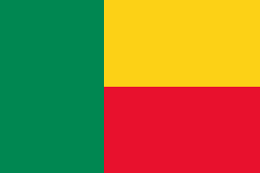
About:
Benin, a French-speaking West African nation, is a birthplace of the vodun (or “voodoo”) religion and home to the former Dahomey Kingdom from circa 1600–1900. In Abomey, Dahomey’s former capital, the Historical Museum occupies two royal palaces with bas-reliefs recounting the kingdom’s past and a throne mounted on human skulls. To the north, Pendjari National Park offers safaris with elephants, hippos and lions.
Capital: Porto-Novo
Continent: Africa
Currency: West African CFA franc
President: Patrice Talon
Official language: French
Population: 14.46 million (2024) World Bank
Dialing code: +229
Source: Google