
Niger,
Niger: Your Complete Guide from Tamale, Ghana
Niger, one of West Africa’s largest yet most sparsely populated nations, shares deep historical and cultural connections with Northern Ghana. For Tamale-based travelers, traders, and entrepreneurs, Niger represents the Sahel’s trading traditions, cross-border commerce opportunities, and cultural exchanges that have defined trans-Saharan networks for centuries. Despite challenges including security concerns and harsh climate, Niger remains an important regional partner with connections to Tamale that run through ancient trade routes, shared ethnic communities, and contemporary commerce.
The Tamale-Niger Connection: Sahel Trading Partners
The relationship between Northern Ghana and Niger stretches back centuries through trans-Saharan trade routes that moved gold, kola nuts, salt, and livestock across the Sahel. Tamale’s position as a northern commercial hub made it a natural connection point for goods moving between coastal Ghana and Sahelian markets including Niger.
Today, livestock from Niger—particularly cattle, sheep, and goats—travel south through Burkina Faso to Ghana, with Tamale serving as a major distribution point. Hausa communities span both nations, maintaining linguistic and cultural ties that facilitate trade and mutual understanding. While direct Tamale-Niger connections are less frequent than Tamale-Burkina Faso links, the relationship remains commercially and culturally significant.
Understanding Niger: Essential Background
The Republic of Niger is West Africa’s largest nation by area (1.27 million square kilometers) but one of its least populated, with approximately 26 million people concentrated in the southern agricultural zones. Over 80% of the country is Sahara Desert, creating one of the world’s harshest environments but also shaping a resilient, resourceful population.
Niamey, the capital, sits on the Niger River in the country’s southwest corner, near the borders with Burkina Faso and Benin. With over 1.3 million residents, Niamey serves as Niger’s administrative, commercial, and cultural center—a relatively small capital by West African standards but the country’s undisputed hub.
Niger’s geography ranges from Sahara Desert dominating the north (including the spectacular Air Mountains and Ténéré Desert), through Sahel transition zones in the center, to more productive agricultural lands in the south along the Niger River valley. This harsh environment has shaped a population known for hospitality, trading acumen, and remarkable adaptability.
Current Leadership
Niger has experienced significant political upheaval in recent years. In July 2023, a military coup removed President Mohamed Bazoum from power. The country is currently led by the National Council for the Safeguard of the Homeland (CNSP), headed by General Abdourahamane Tchiani. This political transition has created uncertainty and affected Niger’s relationships with Western partners and regional organizations including ECOWAS.
For travelers and businesses from Tamale, the political situation creates additional considerations. Security challenges, international sanctions, and diplomatic tensions affect travel advisories, border operations, and commercial relationships. Anyone considering travel to Niger should closely monitor current conditions, as the situation continues evolving. The political instability compounds existing security challenges related to militant activity in certain regions.
Economy and Daily Life
Niger’s economy ranks among the world’s poorest by GDP per capita but contains significant resources and potential:
Uranium mining (Niger is a major global producer, though prices fluctuate), agriculture and livestock (millet, sorghum, cowpeas, onions, and extensive livestock production), gold mining (emerging sector with growing production), petroleum production (recently developed oil fields and refinery), transit trade serving as a corridor between coastal West Africa and North Africa, and remittances from Nigeriens working abroad.
French is the official language, though Hausa dominates commerce and is widely understood, particularly in southern regions near the Nigeria border. Zarma, Fulfulde, Tamasheq, and other languages are spoken by specific communities. The West African CFA franc (XOF) is the official currency.
Nigerien society emphasizes Islamic values, hospitality, and community. Despite economic challenges, people maintain remarkable warmth toward visitors and strong cultural pride. The country’s position at the crossroads of West Africa, the Sahara, and the Sahel creates unique cultural blending.
Getting to Niger from Tamale
Route Considerations
Travel from Tamale to Niger requires transiting through Burkina Faso, as Ghana and Niger don’t share a direct border. Security considerations in parts of Burkina Faso and Niger currently make overland travel challenging and subject to changing conditions.
Route 1: Via Burkina Faso to Niamey (Traditional Route)
- Tamale to Paga (Ghana/Burkina Faso border): 160 kilometers (2.5-3 hours)
- Paga to Ouagadougou: 190 kilometers (3-4 hours)
- Ouagadougou to Niamey: 530 kilometers (7-9 hours)
- Total distance: Approximately 880 kilometers
- Total travel time: 12-16 hours under ideal conditions
CRITICAL SECURITY NOTE: This route passes through areas of Burkina Faso with active security concerns. Before attempting overland travel, check current security advisories from multiple sources. Many travelers currently avoid this route entirely due to safety risks.
Transportation Options
By Air (Recommended): Given current security challenges with overland routes, air travel is the safest and most practical option:
- Tamale to Accra (1 hour by air)
- Accra to Niamey (approximately 2.5 hours, though direct flights are infrequent)
- More commonly: Accra to Lomé (Togo) or Abidjan (Ivory Coast), then connecting to Niamey
- Total journey time: 5-8 hours depending on connections
- Costs: GHS 3,000-6,000+ depending on routing and booking timing
By Bus (Currently Complicated): Direct bus services from Tamale to Niamey are essentially non-existent currently. Previously, travelers would take Tamale-Ouagadougou services, then connect to Ouagadougou-Niamey buses. However, security concerns have dramatically reduced these services.
If considering overland travel, verify current conditions thoroughly, travel only during daylight hours, use established transport companies with current route knowledge, register travel plans with relevant embassies, and carry comprehensive travel insurance.
By Private Vehicle (Not Recommended Currently): Driving from Tamale to Niamey through Burkina Faso presents significant security risks in current conditions. Only consider this option if you have:
- Current, reliable security information
- Armed escort if traveling through high-risk areas
- Comprehensive insurance and emergency support
- Experience navigating Sahel security environments
- Flexibility to abandon plans if conditions deteriorate
Most travelers and businesses currently avoid overland travel between Ghana and Niger, opting for air travel despite higher costs.
Border Crossings
Burkina Faso-Niger Borders
The primary crossing between Burkina Faso and Niger is at Makalondi (Burkina Faso) / Torodi (Niger), on the road between Ouagadougou and Niamey. This crossing handles passenger and commercial traffic.
Border operations can be affected by security situations. Expect thorough document checks, possible vehicle searches, and varying wait times depending on staffing and security conditions.
Current Border Situation
Following the 2023 coup in Niger, ECOWAS imposed sanctions that initially included border closures. While some restrictions have eased, border operations can be unpredictable. Before traveling, verify:
- Current border operating status
- Required documentation (this may have changed)
- Sanctions implications for travelers
- Security conditions in border areas
Entry Requirements and Documentation
Visa Requirements
For Ghanaians: Traditionally, ECOWAS citizens including Ghanaians could enter Niger without a visa for stays up to 90 days. However, following the 2023 coup and ECOWAS sanctions, reciprocity issues have created uncertainty. Verify current visa requirements with the Nigerien Embassy before traveling, as policies may have changed and could change again as the political situation evolves.
For Other Nationals: Non-ECOWAS citizens typically require visas, obtained from Nigerien embassies or consulates. E-visa services exist but availability and processing may be affected by current political situation. Processing times can be lengthy—apply well in advance.
Essential Documents
- Valid passport with at least six months remaining validity
- Visa (if required—verify current status)
- Vaccination certificates (yellow fever is mandatory)
- Travel insurance (strongly recommended given security conditions)
- Evidence of sufficient funds
- Hotel reservations and return/onward tickets (may be requested)
Border Formalities
Crossing into Niger involves standard passport control, health screening (yellow fever certificate checks), customs declaration, and possible baggage inspection. Given current political tensions, border officials may be more thorough than in the past. Patience and politeness remain essential.
Currency and Money Matters
The CFA Franc
Niger uses the West African CFA franc (XOF), shared with seven other West African nations and pegged to the Euro. Exchange rates hover around 600-650 XOF per 1 USD, and approximately 100 XOF per 1 GHS.
Exchanging Money
Currency exchange options in Niger are more limited than in neighboring countries:
Banks in Niamey: Best rates, secure transactions. Major banks include Bank of Africa, Ecobank, and Société Nigérienne de Banque. Bring identification and expect potential bureaucracy.
Hotels: Offer exchange services at unfavorable rates, typically for guest convenience only.
Border money changers: Operate at major crossings but rates are poor and fraud risk is higher. Use caution and count money carefully.
Bring sufficient cash: ATM reliability in Niger can be inconsistent, even in Niamey. Don’t rely entirely on card access.
Mobile Money and Banking
Mobile money services including Orange Money and Moov Money operate in Niger, though coverage and reliability are less comprehensive than in coastal West African nations. Services work well in Niamey and major towns but can be unreliable in rural areas.
International transfers between Ghanaian and Nigerien mobile money services face limitations. Carry sufficient cash in CFA francs for your anticipated needs.
ATMs exist in Niamey but are less common than in Ghana. International cards work at some locations but transaction fees are substantial and ATMs frequently run out of cash or experience technical problems. Credit card acceptance is minimal outside international hotels.
Trade and Business Opportunities
What Moves from Ghana to Niger
Consumer goods: Imported products arriving through Ghana’s ports, textiles and clothing, electronics and appliances, building materials, pharmaceuticals.
Agricultural products: Processed foods, palm oil, cocoa products, packaged goods from Ghana’s manufacturing sector.
Re-export trade: Niger’s landlocked status means goods often transit through coastal nations. Ghana serves as one route (though Benin and Nigeria are more common due to proximity).
What Comes from Niger to Ghana
Livestock: Cattle, sheep, and goats traveling south from Niger through Burkina Faso to Ghana. This is one of the most significant Niger-Ghana trade flows, though animals often pass through intermediaries making direct Niger-Ghana links less visible.
Onions: Niger produces substantial onion crops that find markets across West Africa including Ghana, particularly during Ghana’s off-season.
Hides and skins: From Niger’s large livestock population, used in Ghana’s leather industry.
Cowpeas and other agricultural products: Niger produces various crops that supplement regional food supplies.
Business Considerations
Operating business between Ghana and Niger currently faces challenges:
Security: Makes travel and goods movement risky and expensive. Insurance costs are high and some insurers won’t cover Niger operations.
Political uncertainty: Sanctions, diplomatic tensions, and potential policy changes create unpredictable business environment.
Infrastructure: Niger’s infrastructure is less developed than coastal West African nations. Transportation, telecommunications, and utilities can be challenging.
Banking: International sanctions have complicated financial transactions involving Niger. Banking relationships require careful navigation.
Despite challenges, opportunities exist for those with:
- Local partnerships and knowledge
- Patience with complex logistics
- Risk tolerance appropriate to the environment
- Long-term perspective
- Cultural understanding and language skills (French and/or Hausa)
Cultural Insights and Travel Tips
Language
French is the official language and essential for official interactions, business, and urban settings. However, Hausa is widely spoken and understood, particularly in southern Niger near the Nigeria border and in commercial contexts. For Tamale residents familiar with Hausa (common in Northern Ghana’s urban centers), this provides a linguistic bridge.
Zarma dominates in western Niger including Niamey. Fulfulde, Tamasheq (Tuareg language), and Kanuri are spoken by specific communities.
Cultural Norms
Nigerien culture emphasizes Islamic values, hospitality, and respect:
Greetings are extended: Take time for proper greetings, inquiries about health and family, establishing rapport before business. Rushing is considered rude.
Modesty matters: Dress conservatively, particularly outside Niamey. Women should cover shoulders and knees; men should avoid shorts in most contexts.
Religious sensitivity: Niger is predominantly Muslim. Respect prayer times, Ramadan observances, and Islamic customs. Avoid eating, drinking, or smoking in public during Ramadan daylight hours.
Hospitality: Nigeriens are remarkably hospitable despite economic challenges. If invited to someone’s home, it’s an honor—bring small gifts (dates, sugar, tea) and accept hospitality graciously.
Photography: Always ask permission before photographing people. Avoid military installations, government buildings, and sensitive areas.
Gender dynamics: More conservative than coastal West Africa. Women travelers should dress modestly and be aware of cultural expectations.
Military checkpoints: Common on roads. Carry identification and travel documents. Be polite and patient at checkpoints.
Current political situation: Following the 2023 coup, political demonstrations and civil unrest occur periodically in Niamey. Avoid demonstrations and government buildings.
Most foreign governments currently advise against all but essential travel to Niger, or advise against travel entirely to certain regions. Anyone traveling from Tamale to Niger should carefully weigh risks against benefits and take comprehensive security precautions.
Health Precautions
Yellow fever vaccination is mandatory—no certificate, no entry. Malaria is endemic—take prophylaxis consistently. Water quality is poor—drink only bottled or purified water. Food safety varies—be cautious with street food and uncooked items. Heat-related illness is a serious risk—Niger’s climate is extreme, particularly March-June. Stay hydrated, avoid midday sun exposure, and recognize heat exhaustion symptoms.
Healthcare in Niger is limited. Niamey has basic medical facilities but serious conditions require evacuation to Accra, Dakar, or Europe. Medical evacuation insurance is essential—verify coverage includes Niger given security situation.
Dust and air quality, particularly during Harmattan season (November-March), can affect respiratory health.
Top Destinations in Niger
Niamey
The capital offers limited but authentic experiences:
Grand Marché (Great Market): Vibrant market selling textiles, crafts, food, and daily goods. Excellent for people-watching and purchasing traditional items including silver jewelry, leather goods, and woven mats.
National Museum: Showcases Nigerien culture, including traditional architecture, crafts, and a small zoo with native animals. Provides valuable context for understanding the country’s ethnic diversity.
Grande Mosquée: Niamey’s main mosque, notable for its architecture. Non-Muslims should ask permission before entering.
Kennedy Bridge: Spans the Niger River, offering views of the river and city. The river is dramatic—wide, slow-moving, vital to local life.
Craft Village: Artisans produce and sell traditional crafts including leather work, silver jewelry, and woven goods.
Nightlife: Limited compared to coastal capitals but several restaurants and cafés offer dining and socializing opportunities. Security concerns limit nighttime movement.
Agadez
A historic Saharan city and UNESCO World Heritage Site, Agadez offers extraordinary cultural and architectural experiences. However, security concerns currently make travel to Agadez extremely risky. The region faces active militant threats, kidnapping risks, and government travel restrictions.
If security improves in future:
- Traditional Saharan architecture including the distinctive Grande Mosquée with its pyramidal minaret
- Tuareg culture and traditional crafts (silver jewelry is legendary)
- Gateway to Air Mountains and desert exploration
- Annual music and cultural festivals (when security permits)
Currently, most travelers cannot safely visit Agadez. Monitor security situations carefully if considering travel to northern Niger.
W National Park
Shared between Niger, Benin, and Burkina Faso, W National Park is a UNESCO World Heritage Site with significant wildlife including elephants, lions, buffaloes, and various antelope species. The Niger section is the largest.
However, security concerns in the border tri-state area have severely limited tourism. Park access is restricted and considered dangerous. If security improves, this would be one of West Africa’s premier wildlife destinations.
Zinder
Niger’s second city and former capital, Zinder retains historic architecture, traditional Hausa quarters with distinctive architecture, the Sultan’s Palace (can be visited with permission), and crafts including leather and textile work.
Security in Zinder is better than northern regions but still requires caution. The city is less visited by foreigners currently, making it more authentic but also requiring careful planning.
Festivals and Cultural Events
Cure Salée (Salt Cure Festival)
Traditionally held annually near In-Gall (north of Agadez), this Tuareg and Wodaabe festival celebrates the end of the rainy season with traditional dances, camel races, and the famous Wodaabe male beauty contest (Guérewol) where men compete through elaborate makeup, dancing, and displays.
Currently, security concerns prevent most foreigners from attending. In peaceful times, this is one of Africa’s most spectacular cultural events.
Independence Day (August 3)
Celebrates Niger’s independence from France with parades, cultural performances, and official ceremonies in Niamey and regional capitals.
Islamic Holidays
Eid al-Fitr (end of Ramadan) and Eid al-Adha (Feast of Sacrifice) are major celebrations involving family gatherings, special meals, prayers, and community celebrations. During these periods, businesses close and travel can be difficult but cultural immersion is profound for invited visitors.
Practical Information for Tamale-Based Travelers
Communication
Purchase a local SIM card from Orange, Moov, or Niger Telecom upon arrival in Niamey. Coverage is adequate in cities and along main roads but spotty in rural areas. Data speeds are slower than coastal West Africa but functional.
Budget approximately 5,000-15,000 XOF (GHS 80-240) for a week’s typical voice and data usage.
International roaming from Ghanaian networks may work but is expensive and unreliable.
Accommodation
Niamey offers limited but adequate options:
Budget (20,000-40,000 XOF / GHS 320-640 per night): Guesthouses and simple hotels. Basic amenities, variable cleanliness. Check reviews carefully.
Mid-Range (40,000-80,000 XOF / GHS 640-1,280 per night): Comfortable hotels with air conditioning, WiFi, possibly restaurants. Options include local and small international chains.
Upscale (80,000+ XOF / GHS 1,280+ per night): International-standard hotels (Radisson Blu, Soluxe Hotel) with full amenities, security, restaurants, pools. Most foreign visitors stay in this category for safety and comfort.
Booking ahead is advisable, as Niamey has limited hotel capacity. International booking platforms work but selection is limited compared to other West African capitals.
Regional cities have very basic accommodation. Standards are lower than Niamey and options are sparse.
Food and Dining
Nigerien cuisine centers on millet and sorghum:
Djerma: Millet paste similar to fufu, served with sauces made from okra, baobab leaves, or peanuts.
Riz sauce: Rice with tomato-based or peanut sauce and meat or fish.
Brochettes: Grilled meat skewers, popular street food.
Tchoukou: Thick sauce made from baobab leaves or okra.
Dates: Niger produces excellent dates, available in markets.
Tea culture: Sweet mint tea (atai) is central to social life. Tea ceremonies involve multiple rounds of progressively stronger tea.
Street food is available but food safety standards vary. Choose busy stalls with visible food preparation. Restaurants in Niamey serve Nigerien cuisine, French food (colonial legacy), and limited international options.
Expect to pay 2,000-5,000 XOF (GHS 32-80) for street food, 5,000-15,000 XOF (GHS 80-240) for mid-range restaurant meals.
Water must be bottled or purified—tap water is unsafe. Food-borne illness is common; take precautions.
Shopping
Niamey’s Grand Marché: Traditional items including Tuareg silver jewelry (distinctive crosses and intricate designs), leather goods (bags, belts, cushions), woven mats and baskets, traditional textiles, and spices.
Bargaining is expected—start at 40-50% of asking prices and negotiate respectfully.
Craft Village: Higher quality but more expensive than markets. Good for authentic traditional crafts with less aggressive selling.
Niamey has limited modern shopping. Supermarkets stock imported goods at high prices.
Building Long-Term Connections
For Tamale-based individuals and businesses, Niger currently represents a challenging but potentially rewarding market for those with:
High risk tolerance: Security and political risks are substantial. Only engage if you can absorb potential losses.
Local partnerships: Operating in Niger without trusted local partners is extremely difficult and risky.
Long-term perspective: Quick returns are unlikely given current challenges. Success requires patience and sustained commitment.
Cultural sensitivity: Nigerien culture is more conservative and traditional than coastal West Africa. Respectful, humble approaches are essential.
Linguistic capability: French and/or Hausa skills are essential for effective engagement.
Most Tamale-based businesses currently maintain Niger connections through intermediaries in Burkina Faso or Nigeria rather than direct engagement, given the challenging operating environment.
Resources and Useful Contacts
Embassies and Consulates
Nigerien Embassy in Ghana: Contact information should be verified, as diplomatic operations may be affected by current political situation. Located in Accra when operational.
Ghana Embassy in Niger: Located in Niamey, provides consular services to Ghanaian citizens. Register with them if traveling to Niger, given security concerns.
Online Resources
Current information is essential for Niger travel. Consult:
- Your country’s foreign ministry travel advisories
- UN security reports
- International NGO security updates
- Recent traveler reports (though few travel currently)
Emergency Contacts
Police: 17 Fire Service: 18 Medical Emergency: Contact hospitals directly
Ghana Embassy (Niamey): Verify current contact information before traveling
Looking Ahead: The Tamale-Niger Relationship
The relationship between Northern Ghana and Niger has deep historical roots but faces unprecedented challenges currently. Security concerns, political instability, and economic difficulties make Niger one of West Africa’s most challenging destinations.
However, the relationship endures through:
- Livestock trade continuing despite obstacles
- Hausa linguistic and cultural connections
- Shared Sahelian geography and challenges
- Regional integration aspirations (despite current tensions)
- Trading traditions spanning centuries
For Tamale-based individuals and businesses, Niger represents:
A challenging environment requiring careful risk assessment and comprehensive security measures. Historical connections worth maintaining despite current difficulties. Potential future opportunities if security and political situations stabilize. Cultural richness that rewards culturally sensitive, patient engagement.
Unlike Burkina Faso, Togo, or Ivory Coast where travel is relatively straightforward, Niger currently requires exceptional caution. Most travelers and businesses are waiting for improved conditions before increasing engagement.
The distance from Tamale to Niamey is not merely geographic—current conditions create barriers of security, politics, and practical logistics that make the journey complex and risky. Yet the relationship remains important, and many hope for future stabilization that would restore safer, more open connections between these trading partners.
For now, those engaging with Niger from Tamale do so carefully, with comprehensive planning, local partnerships, and realistic expectations about challenges and timelines.
Considering travel or business in Niger from Tamale? Given current security and political conditions, thorough research and risk assessment are essential. Connect with TamaleGhana.com for updates as conditions evolve and to share experiences navigating this complex but historically important relationship.
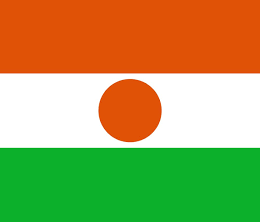
About:
Niger, officially the Republic of Niger, is a landlocked country in West Africa. It is a unitary state bordered by Libya to the northeast, Chad to the east, Nigeria to the south, Benin and Burkina Faso to the southwest, Mali to the west, and Algeria to the northwest.
Capital: Niamey
Official language: Hausa
President: Abdourahamane Tchiani
Currency: West African CFA franc
Government: Semi-presidential system
Population: 27.03 million (2024) World Bank
Continent: Africa
Source: Wikipedia