
Togo,
Togo: Your Complete Guide from Tamale, Ghana
Togo, Ghana’s eastern neighbor, represents one of West Africa’s most intriguing destinations—a narrow sliver of land stretching from the Gulf of Guinea to the Sahel, packed with diverse landscapes, rich culture, and significant commercial opportunities. For Tamale-based travelers, entrepreneurs, and traders, Togo offers accessible international experiences, cross-border business potential, and cultural exchanges that enrich Northern Ghana’s regional connections.
The Tamale-Togo Connection: Gateway to Francophone West Africa
While Togo shares its western border with Ghana’s Volta Region, the country’s influence and connections reach far into Northern Ghana. Tamale serves as a major hub for goods destined for Togolese markets, particularly items arriving through Tema port that move through Ghana to Togo and beyond. The Ewe communities straddling the Ghana-Togo border maintain family and cultural ties that transcend colonial boundaries, creating organic cross-border relationships that facilitate trade, travel, and mutual understanding.
For Tamale residents, Togo represents the closest Francophone country, making it an ideal destination for experiencing French-speaking West Africa without the distance required to reach Burkina Faso, Ivory Coast, or other Francophone nations.
Understanding Togo: Essential Background
The Togolese Republic is a narrow country of approximately 8.6 million people, stretching just 115 kilometers at its widest point but extending 550 kilometers from the Atlantic coast to its northern border with Burkina Faso. This unique geography creates remarkable diversity—from southern coastal regions with palm-lined beaches to central plateaus with coffee and cocoa plantations, to northern savannah landscapes similar to Northern Ghana.
Lomé, the capital, sits directly on the Ghana-Togo border and serves as West Africa’s fourth-largest port. With over 1.7 million residents, Lomé is a bustling commercial center where French colonial architecture meets modern development, traditional markets coexist with shopping centers, and regional trade flows through one of the Gulf of Guinea’s busiest ports.
Current Leadership
Togo is currently led by President Faure Gnassingbé, who has been in office since 2005, succeeding his father who ruled for 38 years. The country has undergone political reforms in recent years, including constitutional changes. For travelers and businesses from Tamale, Togo maintains stable governance and generally business-friendly policies, though staying informed about political developments remains advisable for those engaging in substantial cross-border activities.
Economy and Daily Life
Togo’s economy centers on phosphate mining (one of the world’s largest reserves), agriculture (coffee, cocoa, cotton, and palm oil), the Port of Lomé serving as a regional transshipment hub, re-export trade serving landlocked neighbors, and a growing services sector including banking and telecommunications.
French is the official language, though Ewe and Kabye are widely spoken, along with numerous other local languages. The West African CFA franc (XOF) is the official currency, shared with several other Francophone West African nations. Mobile money has become ubiquitous, transforming financial transactions across all economic levels.
Recent security challenges in Togo’s northern regions, near the Burkina Faso border, have created concerns similar to those affecting neighboring countries. The security situation evolves, making current information essential for travelers heading to northern Togo.
Getting to Togo from Tamale
Route Options
The journey from Tamale to Togo involves traveling south and east through Ghana. Two primary routes serve most travelers:
Route 1: Via Accra and the Coastal Border (Most Common)
- Tamale to Accra: 620 kilometers (8-10 hours)
- Accra to Aflao (Ghana)/Lomé (Togo) border: 190 kilometers (2.5-3 hours)
- Total distance: Approximately 810 kilometers
- Total travel time: 10-13 hours depending on stops and border crossing
Route 2: Via Ho and the Central Border
- Tamale to Ho: Approximately 450 kilometers (7-8 hours)
- Ho to various border crossings (Aflao or smaller crossings)
- This route offers scenic mountain views but road conditions vary
Transportation Options
By Bus: Multiple transport companies operate Tamale-Accra services, with connections to Lomé. VIP, STC, and other operators provide daily departures. The most practical approach is taking a Tamale-Accra bus, then connecting to Accra-Lomé services from Tudu Station or other terminals. Total cost typically ranges from GHS 200-350 depending on comfort level and whether you take a direct Lomé bus or make the connection yourself.
Some operators offer direct Tamale-Lomé services, though these are less frequent. Journey times range from 12-15 hours including border crossing.
By Private Vehicle: Driving from Tamale to Lomé takes 11-14 hours in good conditions. The route follows well-maintained highways through Kumasi and Accra before reaching the coastal border. Ensure all vehicle documentation, insurance covering Togo, and an international driving permit are in order. The border crossing at Aflao/Kodjoviakopé is straightforward for personal vehicles but expect thorough document checks.
By Air: The most time-efficient option involves flying from Tamale to Accra (1 hour), then Accra to Lomé (45 minutes). Africa World Airlines and Passion Air operate domestic routes, while several carriers serve the Accra-Lomé route. Total journey time is 3-4 hours including connections, though costs are significantly higher than overland travel (GHS 1,500-3,000+ for the complete journey).
Shared Taxis and Tro-Tros: For budget travelers, shared taxis and tro-tros operate the full route in segments: Tamale to Kumasi, Kumasi to Accra, Accra to Aflao, then Aflao to Lomé. This option is cheapest but most time-consuming and least comfortable, often requiring 15-18 hours total with multiple transfers.
Border Crossings
Aflao/Kodjoviakopé (Primary Crossing)
This is Ghana and Togo’s busiest border crossing, located directly between Aflao (Ghana) and Lomé’s Kodjoviakopé neighborhood. The border operates 24 hours, though crossing late at night can involve additional scrutiny and potential delays.
The crossing handles enormous volumes of pedestrian traffic, vehicles, and commercial goods daily. Expect crowds, particularly during morning and evening rush hours. The border town atmosphere is chaotic but manageable—hawkers, money changers, taxi drivers, and guides all compete for attention.
Secondary Crossings
Several smaller border crossings exist north of Aflao, including crossings at Noepe/Gagbé and other points. These serve local communities and some commercial traffic but lack the infrastructure and staffing of Aflao. For first-time travelers, Aflao remains the recommended crossing point.
Entry Requirements and Documentation
Visa Requirements
For Ghanaians: ECOWAS citizens, including Ghanaians, can enter Togo without a visa for stays up to 90 days. A valid passport or ECOWAS travel certificate is required. This makes Togo exceptionally accessible for Ghanaian travelers from Tamale.
For Other Nationals: Non-ECOWAS citizens typically require visas. E-visas are available through Togo’s online portal, processed within 3-7 days. Traditional visas can be obtained from the Togolese Embassy in Accra. Some nationalities can obtain visas on arrival at Lomé airport, though this option isn’t available at land borders.
Essential Documents
Valid passport with at least six months remaining validity, vaccination certificates (yellow fever is mandatory and checked at borders), vehicle documents if driving (registration, insurance valid in Togo, international driving permit), and sufficient cash in CFA francs or readily exchangeable currencies.
Border Formalities
The Aflao/Kodjoviakopé crossing involves exiting Ghana (passport check, customs if carrying goods) and entering Togo (passport control, possible baggage inspection, health screening). ECOWAS citizens generally experience smooth processing, though lines can be long during peak hours.
Money changers operate openly at the border, offering CFA francs for Ghana cedis. Rates are competitive though slightly less favorable than in banks. Count your money carefully and only use changers with visible operations.
Currency and Money Matters
Understanding the CFA Franc
Togo uses the West African CFA franc (XOF), pegged to the Euro. Exchange rates fluctuate around 600-650 XOF per 1 USD, and approximately 100 XOF per 1 GHS, though rates vary daily.
Exchanging Money
Exchange options include border money changers (convenient but slightly unfavorable rates), banks in Lomé and major cities (best rates, require identification), hotels (convenient but expensive rates), and official exchange bureaus (fair rates, secure transactions).
Bring clean, undamaged currency notes. Damaged or heavily worn bills may be rejected. US dollars and Euros get the best rates; Ghana cedis are accepted but at less favorable terms.
Mobile Money and Banking
Mobile money dominates Togo’s financial landscape. Togocom’s TMoney and Moov Money are ubiquitous, allowing payments, transfers, and even international transactions. Some Ghanaian mobile money services work in Togo, though compatibility varies.
ATMs are common in Lomé and regional capitals, accepting international cards (Visa and Mastercard). Transaction fees are substantial—expect GHS 30-50 per withdrawal plus your bank’s international fees. ATMs occasionally run out of cash, particularly on weekends, so don’t rely entirely on card access.
Trade and Business Opportunities
What Moves from Ghana to Togo
Togo’s position as a major port creates interesting trade dynamics. Rather than Ghana simply exporting to Togo, much trade involves re-export through Lomé to other West African destinations. However, direct Ghana-Togo trade includes:
Agricultural products from Ghana’s fertile regions (cocoa products, palm oil, fruits), manufactured goods from Ghanaian industries, textiles and clothing from Ghana’s growing fashion sector, consumer goods arriving through Tema port but destined for Togolese markets, and building materials including cement and metal products.
What Comes from Togo to Ghana
Phosphate fertilizers for Ghana’s agricultural sector, petroleum products (Togo’s refinery capacity sometimes provides competitive pricing), imported electronics and consumer goods entering West Africa through Lomé port, textiles and fabrics (Togo has a significant textile sector), and motorcycles and vehicle parts (Lomé is a major entry point for Asian vehicles and parts).
Lomé’s Free Zone
The Port of Lomé operates a free trade zone offering significant advantages for regional commerce. Goods can be stored, processed, and re-exported with minimal duties. For Tamale-based traders, establishing relationships with Lomé-based importers or using the port for regional distribution can offer competitive advantages over Ghana’s ports.
Business Considerations
Successful Ghana-Togo trade requires understanding that business relationships develop through personal connections, French language skills dramatically improve business prospects, navigating customs and regulations benefits from local partnerships, and Togo’s regulatory environment differs from Ghana’s—research requirements thoroughly.
Many successful cross-border traders maintain offices or representatives in both Lomé and major Ghanaian cities, facilitating smoother operations and better market intelligence.
Cultural Insights and Travel Tips
Language
French is essential for navigating Togo beyond basic tourist interactions. While some Togolese speak English, particularly those dealing regularly with Ghanaian customers, French dominates business, government, and daily life. Learning basic French dramatically improves travel experiences.
In southern Togo, Ewe is widely spoken—many Ghanaians from the Volta Region will find linguistic common ground. In northern regions, languages related to those in Northern Ghana are spoken, creating unexpected connections.
Cultural Norms
Togolese culture shares much with Ghanaian culture—emphasis on respect, proper greetings, community relationships. However, the French colonial influence created different social expectations in some areas:
Formal greetings matter—handshakes, inquiries about family and health, establishing rapport before business. Dress tends slightly more formal in business contexts than Ghana. Punctuality follows “African time” but varies by context. Meal times and social customs reflect French influence—cafés, baguettes, and coffee culture are more prominent than in Ghana.
Safety Considerations
Lomé is generally safe for travelers, with crime rates comparable to Accra. Standard precautions apply—secure valuables, stay aware of surroundings, avoid displaying wealth ostentatiously. Petty theft occurs in crowded markets and transport stations.
Northern Togo near the Burkina Faso border faces security challenges related to militant activity spilling over from Sahel conflicts. Before traveling to northern regions, check current security advisories. Most Tamale-based travelers focus on Lomé and southern/central regions where security is substantially better.
Political demonstrations occasionally occur in Lomé, particularly around government buildings. These are typically peaceful but can disrupt traffic and business. Stay informed through local contacts and avoid demonstration areas.
Health Precautions
Yellow fever vaccination is mandatory and rigorously checked at borders—no vaccination certificate, no entry. Malaria is endemic throughout Togo—take prophylaxis and use mosquito prevention measures consistently. Water quality varies—stick to bottled or purified water. Lomé has adequate medical facilities for basic healthcare needs, but serious conditions may require evacuation to Accra or further.
Travel insurance covering medical care and evacuation is strongly recommended.
Top Destinations in Togo
Lomé
The capital city offers exceptional experiences for Tamale-based visitors:
Grand Marché (Great Market): One of West Africa’s most vibrant markets, selling everything from traditional textiles to electronics. The fabric section is legendary—Togolese and West African prints, Dutch wax, and traditional weaving create a textile lover’s paradise.
Fetish Market (Marché des Fétiches): A unique market selling traditional medicine ingredients, spiritual items, and ritual objects. Fascinating cultural experience, though photography requires permission and cultural sensitivity.
Lomé Beach: The city’s coastline offers palm-lined beaches, seafood restaurants, and Atlantic breezes. Less developed than some coastal destinations but authentic and relaxing.
National Museum: Showcases Togolese history, culture, and art. Provides valuable context for understanding the country’s diverse ethnic groups and historical development.
Monument de l’Indépendance: Celebrates Togo’s independence from France, located in a central square that serves as a gathering point and landmark.
Nightlife and Dining: Lomé’s restaurant scene blends French, Lebanese, and West African cuisines. Nightlife ranges from beach bars to nightclubs, offering entertainment options rare in Northern Ghana.
Togoville
A historic town on Lake Togo’s northern shore, Togoville holds significance as the site where the German colonial treaty was signed. The town offers lake views, traditional architecture, voodoo shrines and cultural sites, boat trips on Lake Togo, and insights into Togolese history and culture.
Easily accessible as a day trip from Lomé (about 45 minutes), Togoville provides a glimpse into traditional Togolese life away from the capital’s bustle.
Kpalimé
Located in Togo’s plateau region about 120 kilometers northwest of Lomé, Kpalimé offers cooler temperatures, coffee and cocoa plantations, Mount Agou (Togo’s highest peak—accessible for hiking), waterfalls including the spectacular Kpimé Falls, craft centers producing pottery, weaving, and batik, and stunning mountain scenery.
Kpalimé serves as a weekend escape for Lomé residents and an attractive destination for travelers seeking natural beauty and outdoor activities.
Kara
Togo’s northern regional capital, Kara sits in a mountainous area with distinctive geography. The region offers traditional Tamberma compounds (fortified clay houses, UNESCO World Heritage Sites), Mount Kabyè with hiking opportunities, traditional markets showcasing northern Togolese culture, and connections to northern ethnic groups including the Kabye people.
Security considerations make northern Togo travel more complicated currently, but Kara itself remains accessible, and the cultural experiences are remarkable for those willing to navigate the logistics.
Aneho (Anécho)
A former colonial capital on the coast east of Lomé, Aneho retains colonial architecture, hosts an annual fishing festival, offers quiet beaches away from Lomé’s crowds, and provides insights into Togo’s colonial history.
Less developed for tourism than Lomé, Aneho rewards travelers seeking off-the-beaten-path coastal experiences.
Festivals and Cultural Events
Epe-Ekpe (Stone-Throwing Festival)
Celebrated by the Guin people in Aneho, typically in September, this unique festival involves ritual stone-throwing, traditional ceremonies, and community celebrations. It’s one of Togo’s most distinctive cultural events.
Evala Wrestling Festival
Held annually in July in the Kara region, Evala is a traditional wrestling festival marking the passage of young men into adulthood. The event attracts visitors from across West Africa and provides extraordinary cultural immersion into Kabye traditions.
Togo Independence Day (April 27)
Celebrates Togo’s independence from France with parades, cultural performances, and official ceremonies primarily in Lomé. The celebrations showcase Togolese national pride and cultural diversity.
Voodoo Day (January 10)
Togo officially recognizes Voodoo (Vodun) as a traditional religion, and National Voodoo Day features ceremonies, traditional dancing, and spiritual practices, particularly in southern regions where Voodoo maintains strong influence.
Practical Information for Tamale-Based Travelers
Communication
International roaming from Ghanaian networks works in Togo but is expensive. Purchase a local SIM card from Togocom or Moov upon arrival—available at the airport, border crossings, and throughout Lomé. Prices are affordable, and coverage is good in urban areas, adequate along major routes, and spotty in remote regions.
Data packages are inexpensive by international standards. A tourist staying a week can expect to spend 5,000-10,000 XOF (approximately GHS 80-160) for reasonable voice and data services.
Accommodation
Lomé offers accommodation across all price ranges:
Budget (10,000-25,000 XOF / GHS 160-400 per night): Guesthouses and basic hotels, often family-run. Clean, safe, minimal amenities. Concentrated in neighborhoods away from the beach.
Mid-Range (25,000-50,000 XOF / GHS 400-800 per night): Comfortable hotels with air conditioning, WiFi, possibly restaurants. Located throughout Lomé including beach areas.
Upscale (50,000+ XOF / GHS 800+ per night): International-standard hotels, beach resorts, business hotels. Full amenities including pools, restaurants, conference facilities.
Booking ahead is advisable during peak seasons (December-January, July-August) and during major events. Other times, walk-in availability is common, and rates may be negotiable.
Regional cities offer fewer options but adequate lodging exists. Kpalimé and Kara have several hotels serving travelers. In smaller towns, accommodation can be very basic.
Food and Dining
Togolese cuisine shares similarities with Ghanaian food while incorporating French influences and unique local preparations:
Staples include pâte (similar to fufu, made from corn, cassava, or yam), served with sauces made from peanuts, tomatoes, or greens, grilled fish and chicken (often with spicy pepper sauce), beans and rice preparations, and fufu with light soup or groundnut soup.
Unique Togolese dishes include akoumé (fermented corn paste), djenkoumé (rice-based dish), and klako (fried plantain with chili and onions—a popular street food).
French influence appears in baguettes (available everywhere), coffee culture (cafés serving French-style coffee), pastries and baked goods, and French restaurants in Lomé.
Street food is common, affordable, and generally safe if you choose busy stalls with good turnover. Established restaurants maintain good food safety standards. Expect to pay 1,500-5,000 XOF (GHS 25-80) for street food meals, 5,000-15,000 XOF (GHS 80-240) for mid-range restaurant meals.
For Tamale residents, Togolese food will feel familiar in many ways, with enough differences to make dining an interesting cultural experience.
Shopping
Grand Marché in Lomé is the primary shopping destination—textiles (Togo is famous for traditional woven cloth), electronics, household goods, food and spices, and craft items. Bargaining is expected and essential. Start at 50-60% of asking prices.
Craft markets showcase traditional arts—bronze work and sculpture, woven baskets and mats, batik and tie-dye textiles, wood carvings, and traditional jewelry.
Supermarkets in Lomé stock imported goods, French products, and upscale local items at fixed prices. Useful for familiar brands and products hard to find in markets.
Fetish Market offers traditional medicine ingredients and spiritual items—fascinating to visit, though purchases require understanding their cultural significance and usage.
Building Long-Term Connections
For Tamale-based individuals and businesses, Togo represents an accessible entry point into Francophone West Africa’s commercial networks. Building sustainable relationships requires understanding that:
French language skills are not optional for serious business engagement. Personal relationships precede business relationships—invest time in building trust. Lomé’s port and free zone offer competitive advantages worth exploring for regional trade. Cultural differences matter—approach business with patience and cultural sensitivity.
Many successful traders maintain representatives or partners in Lomé, enabling them to navigate regulations, identify opportunities, and manage logistics more effectively than operating remotely from Ghana.
Resources and Useful Contacts
Embassies and Consulates
Togolese Embassy in Ghana: Located in Accra (near East Legon), provides visa services, consular assistance, and business liaison services. Contact for current entry requirements and trade information.
Ghana High Commission in Togo: Located in Lomé, offers consular services to Ghanaian citizens. Register with them if staying extended periods or conducting substantial business in Togo.
Transport Companies
Major bus operators serving the Tamale-Accra-Lomé route include VIP Transport, STC Ghana, and various private operators. Check schedules at Tamale Central Station, as timetables change seasonally and new operators enter the market.
For Accra-Lomé connections, ABC Transport, STIF, and other Togolese operators provide frequent services from Tudu Station and other terminals.
Online Resources
Togo’s tourism board website offers destination information. Ghana’s Ministry of Foreign Affairs provides travel advisories. Expat forums and travel blogs give recent on-ground perspectives. Business associations in both Ghana and Togo provide sector-specific resources for commercial engagement.
Emergency Contacts
Police: 117 or 172 Fire Service: 118 Medical Emergency: 8200 or contact major hospitals directly
Looking Ahead: The Tamale-Togo Opportunity
The relationship between Northern Ghana and Togo continues evolving as regional integration deepens, infrastructure improves, and commercial ties strengthen. For Tamale-based individuals and businesses, Togo offers practical advantages:
Accessible international experience with relatively simple travel logistics compared to more distant destinations. Commercial opportunities through Lomé’s port and Togo’s role in regional trade networks. Cultural exchange that enriches understanding of Francophone West Africa while building on shared West African cultural foundations. Business diversification beyond Ghana’s domestic market, creating resilience and new revenue streams.
Whether you’re crossing the border for business, tourism, cultural exploration, or simply curiosity about your eastern neighbor, Togo rewards visitors with rich experiences, warm hospitality, and opportunities that extend far beyond its narrow geographic boundaries.
From Tamale to Lomé is more than a journey across miles—it’s a bridge between Anglophone and Francophone West Africa, a connection between Northern Ghana’s emerging economy and one of the region’s most strategic commercial hubs, and an adventure that begins just hours away.
Planning a trip to Togo from Tamale? Have insights about cross-border trade or travel between Ghana and Togo? Connect with TamaleGhana.com to share your experiences and help others navigate this important regional relationship.
About
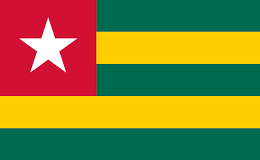
Togo, a West African nation on the Gulf of Guinea, is known for its palm-lined beaches and hilltop villages. Koutammakou, inhabited by the Batammariba people, is a traditional settlement of fortresslike clay huts dating to the 17th century. In the capital, Lomé, are the multistory Grand Marché bazaar and the Fetish Market, offering traditional talismans and remedies relating to the vodun (voodoo) religion. ― Google
Capital: Lomé
Official language: French
Continent: Africa
Population: 9.515 million (2024) World Bank
Dialing code: +228
Date of Independence: April 27, 1960
“Source: Google